
Kevin PeltonFeb 4, 2026, 03:28 PM ET
- Co-author, Pro Basketball Prospectus series
- Formerly a consultant with the Indiana Pacers
- Developed WARP rating and SCHOENE system
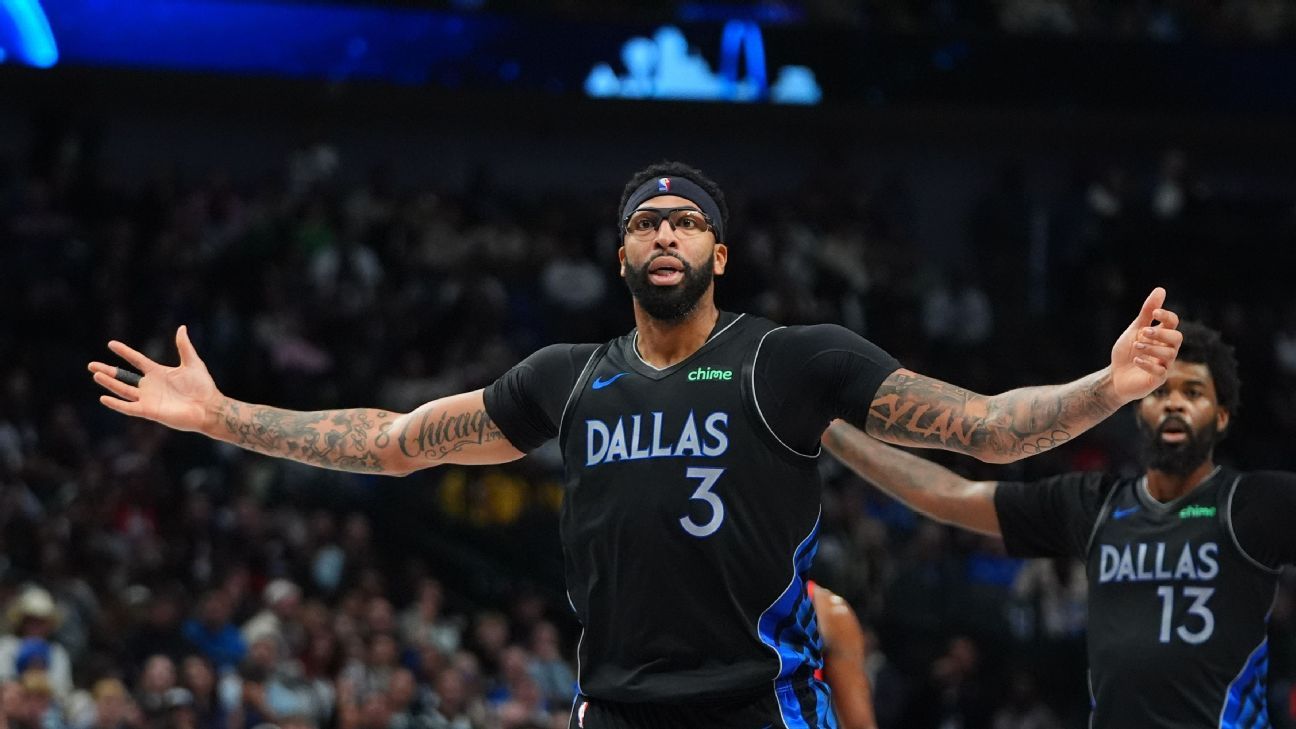
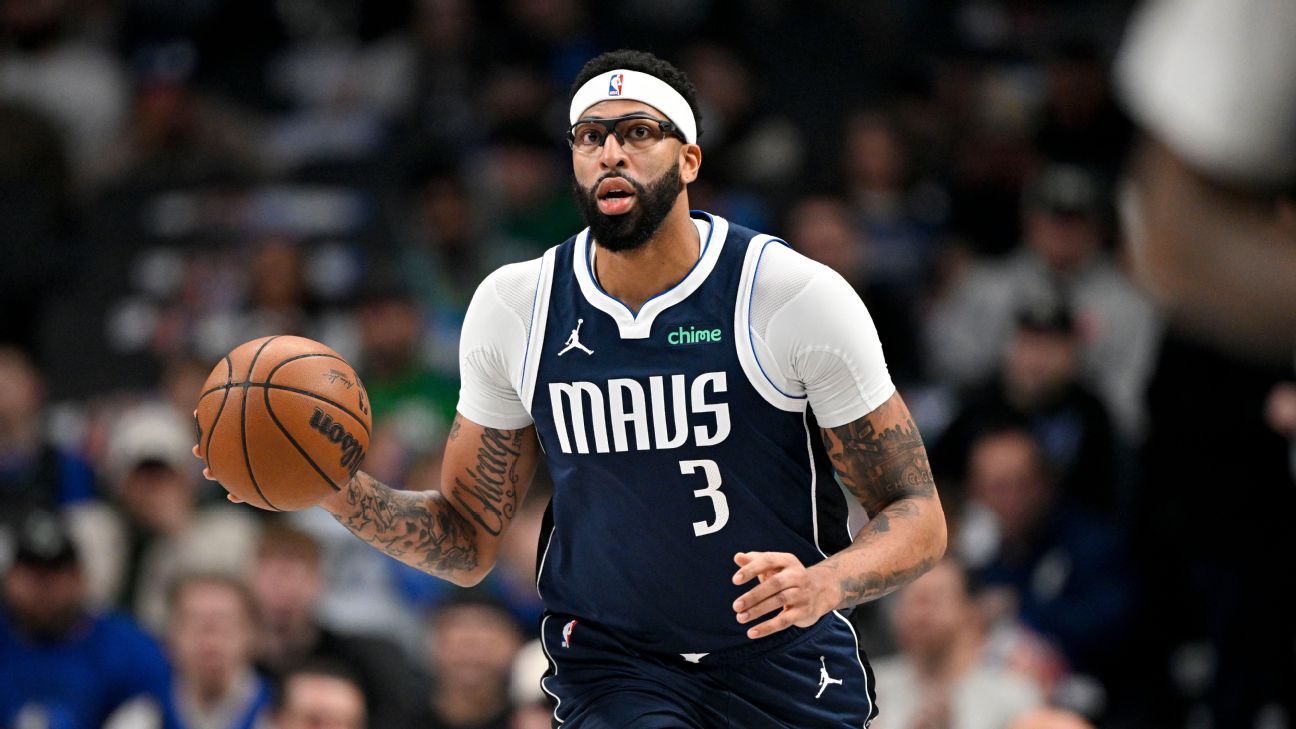
The Anthony Davis era is over in Dallas barely a year after the Mavericks shocked the NBA by trading Luka Doncic to the Los Angeles Lakers for a package headlined by the 10-time All-Star.
Having reoriented their roster around No. 1 pick Cooper Flagg, the Mavericks prioritized cap flexibility 12 months after former GM Nico Harrison argued that Davis' two-way stardom made him a better bet to lead a Dallas championship run than Doncic. This trade sheds the remaining $120 million on Davis' contract and brings in some late first-round picks.
Meanwhile, the Washington Wizards continue building back up with another blockbuster trade for a veteran star. They'll pair Davis with fellow newcomer Trae Young as well as a group of young talent headlined by 2024 first-round picks Kyshawn George and Alex Sarr.
How might the new-look Wizards come together in 2026-27? And what's next for the Mavericks as they try to support Flagg with younger talent? Let's break down the tentacles of this unexpected move.

The Trade: Davis sent to Wizards in players, picks package for Mavs
Dallas Mavericks get:
F Khris Middleton
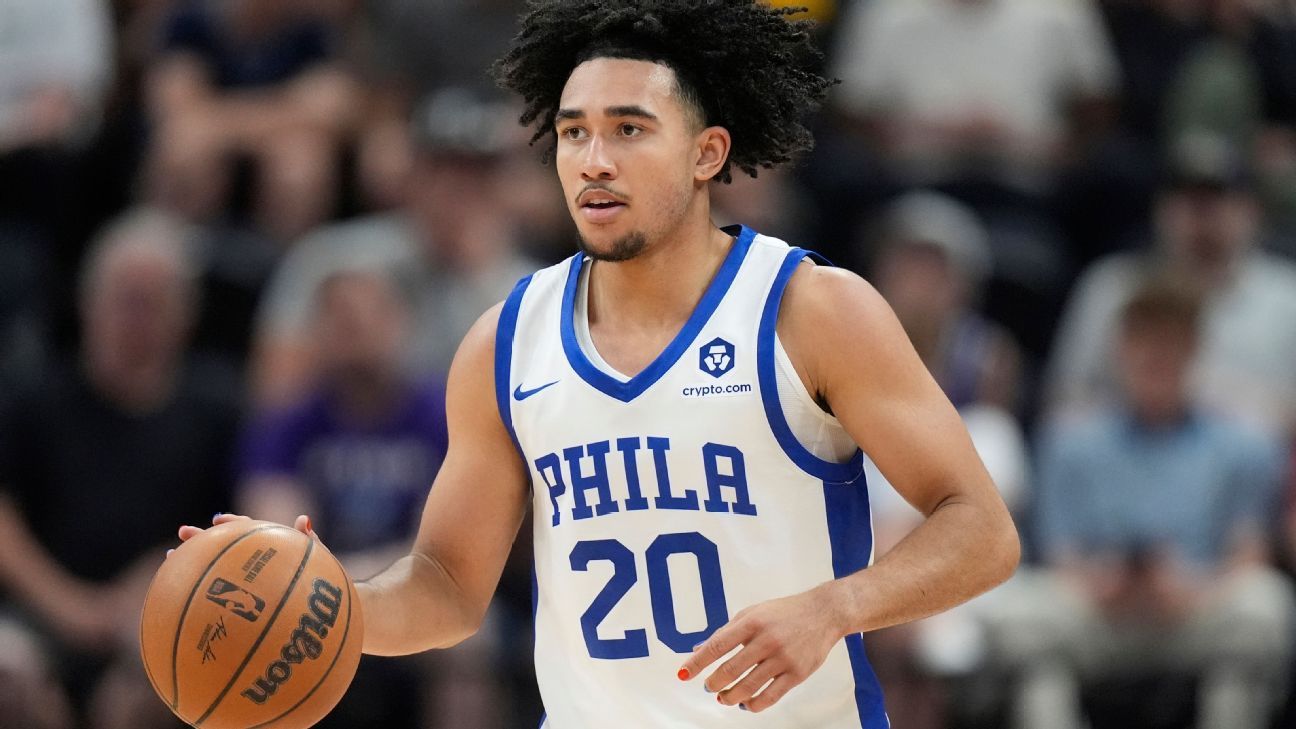
G AJ Johnson
G Malaki Branham
F Marvin Bagley III
2026 first-round pick (from OKC)
2030 first-round pick (from GS, top-20 protected)
2026 second-round pick (from PHX)
2027 second-round pick (from CHI)
2029 second-round pick (from HOU)
Washington Wizards get:
F Anthony Davis
G Jaden Hardy
G D'Angelo Russell
G Dante Exum
Grades

Dallas Mavericks: B
This is a grade strictly for the Mavericks trading away Davis based on his current market, not one that encompasses the decision to acquire him in the first place. (I already graded that trade an F at the time.)
It's unlikely any team would have valued Davis as much as Dallas evidently did a year ago, and the series of injuries he has dealt with since -- including a hand sprain that has sidelined him for the past month -- has only decreased his appeal. Instead of viewing him as the two-way force he was at best, teams surely now see Davis as an unreliable contributor with one of the NBA's seven largest salaries.
In an era when apron restrictions have made teams more cognizant than ever of managing their cap efficiently, Davis was difficult to move for significant draft compensation or equivalent young talent. The Mavericks probably faced a choice between deals like this that prioritized shedding salary, acquiring players with similarly large contracts or waiting to try to move Davis until this summer.
Of those choices, I'm totally fine with making this deal now, which was the best way for Dallas to avoid paying a huge luxury tax bill for a lottery team. The Mavericks saved so much 2025-26 salary in this trade that the Wizards, remarkably, are now closer to the tax.
There was one school of thought that Dallas could have just held on to Davis and focused on winning in 2026-27, when Kyrie Irving will be back from his ACL tear and Flagg looks capable of playing a key role on a contending team. The Mavericks likely won't have their 2027 first-round pick, which they keep only if it lands in the top two, so from that standpoint, there was no specific downside to trying to win as many games as possible.
At the same time, that path seemed too much like repeating the mistakes teams have often made trying to build up too fast around their young stars. Trying to peak when Flagg is age 20 doesn't make nearly as much sense as trying to accumulate players on his timeline to replace the draft picks Dallas is already out.
Granted, there won't be any premium picks from this deal. The Mavericks are getting what will likely be the No. 30 pick in this year's NBA draft -- although the Detroit Pistons might push it down to No. 29 -- and a 2030 pick that can't be any higher than No. 21 based on the protections.
Having more bites at the apple is still a positive for Dallas. It doesn't control its first-round picks between 2027 and 2030, having traded away two of those and swapped the other two with likely contenders. The Mavericks now have up to three incoming first-rounders from other teams, including the lone one they got from the Los Angeles Lakers in the Doncic trade.
There might be more to come, depending how committed Dallas is to tearing things down. Role players Max Christie, Daniel Gafford, Naji Marshall and P.J. Washington are on reasonable contracts that would return pick compensation. So too might Irving once the Mavericks are ready to cross that bridge. Of those players, Irving is the least likely to be part of the roster when Flagg is coming into his own toward the end of this decade.
The cap flexibility Dallas created by cutting up to $67 million in 2026-27 salary -- depending on whether Russell picks up his player option -- could also be put to use accumulating draft picks. The Mavericks would need to trade more players under contract to create cap space this summer but should be able to structure this deal to generate a trade exception worth more than $20 million, the difference between the salaries of Davis and Middleton.
For now, it's important for Dallas to maximize its own 2026 first-round pick, which would be seventh entering the lottery if the season ended today. The Mavericks have plenty of competition for that spot, however, with the Milwaukee Bucks also likely to pull the plug on their season and the Memphis Grizzlies trading away star Jaren Jackson Jr. All three teams are sitting at 19 wins, albeit with Dallas last by virtue of two extra losses.
The Mavericks can accomplish that goal and get some clarity on Johnson's future by giving him an extended look the rest of the season. Johnson, picked No. 23 in the 2024 first round, has been traded twice in as many deadlines and played just 853 minutes total in his NBA career to date. He has shown promise in recent extended outings, totaling 31 points on 11-of-21 shooting and eight assists (albeit with seven turnovers) in his last two games for the Wizards.

Washington Wizards: C
So, what is Washington now after trades for Young and Davis in the past month?
Acquiring Davis with an existing injury fits more readily into the Wizards' need to finish with a bottom-four record, ensuring they'll keep a first-round pick that goes to the New York Knicks if it lands outside the top eight. Washington is tied for fourth in the lottery standings but will likely trade spots with the New Orleans Pelicans, who have an identical 13 wins and no incentive to lose games for draft positioning.
With Davis likely to sit out the rest of this season, the Wizards will show up for training camp with a different style to integrate. They've spent nearly all of this season playing four-out basketball around center Alex Sarr, who has played just 7.4 minutes as a power forward according to my analysis of lineup data from NBA Advanced Stats.
We did see Sarr next to a big man at times during his rookie campaign, when he started four games alongside Jonas Valanciunas, totaling 138 minutes at the 4 spot. Whether Davis or Sarr is technically considered the center in Washington's starting five doesn't matter as much as how the team fits the two together.
Defensively, they should be a potent pair, one well-equipped to hide Young's shortcomings on that end. Sarr has made dramatic strides as a rim protector in his second NBA season, ranking just outside the league's top 10 in opponent accuracy on shots inside 5 feet as a primary defender, per GeniusIQ tracking on NBA Advanced Stats. Davis is just ahead of him. The only team with two players in this group was ... Dallas, with Davis and Daniel Gafford. (Somewhere, Harrison shed a single tear thinking of this stat.)
I've got more questions about how Davis and Sarr will work together on offense. Largely an outside-in player as a rookie, when he shot 39% from the field, Sarr has improved his efficiency in Year 2 by working closer to the basket. His average shot distance has dropped from more than 14 feet to less than 10, according to Basketball Reference.
If Davis serves as the primary screen setter for Young pick-and-rolls, that puts Sarr back in the position of spacing the floor for those plays. He has improved to 33% from 3-point range after hitting 31% as a rookie, but defenses would surely rather see Sarr bombing away from 3 than finishing in the paint.
From a bigger-picture standpoint, the fear is that the Wizards are taking their rebuild out of the oven before it's fully baked. Adding Davis and Young will create urgency to be competitive next season, particularly if both land the new contracts they're seeking. (Young can be an unrestricted free agent this summer if he declines a $49 million player option. Davis will be looking to extend ahead of his $62.8 million player option in 2027-28.)
Sarr and George look like building blocks, while Carrington and 2025 lottery pick Tre Johnson have flashed potential. Still, Washington doesn't have any prospect on the level of Flagg. Sarr, at 22nd, was the only Wizards player ranked in ESPN's top 25 under 25 rankings in December.
Perhaps the Wizards can ride youth and depth to a balanced lineup good enough to compete in the East. More likely, they need one of their young stars to break through or to land a top-four pick in the 2026 lottery. Pending that outcome, I probably would have been more patient after adding Young and waited to make a move of this magnitude.