 3 months ago
91
3 months ago
91

 BBC Newsnight
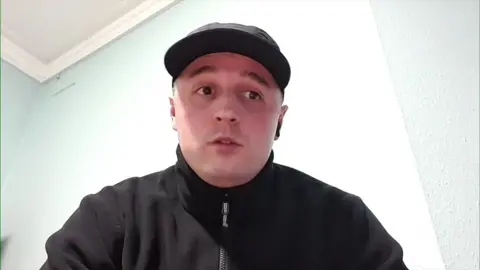
BBC Newsnight spoke to Matthew Booth, 34, about the IPP sentence he received 16 years ago
The Criminal Cases Review Commission (CCRC) has referred five prisoners serving indefinite sentences to the Court of Appeal, BBC Newsnight has been told.
Indeterminate Imprisonment for Public Protection (IPP) sentences account for some 2,800 people despite being abolished in 2012.
Open-ended sentences were issued to people deemed dangerous but whose offence did not merit a life sentence.
A Ministry of Justice spokesperson said: "It is right that IPP sentences were abolished and we have already taken action to support these offenders to move on."
Interim Chair of the CCRC Dame Vera Baird also revealed it had referred its first "grooming gang victim... to try and get her conviction quashed".
A change in legislation has also been made to ensure those serving IPP sentences in the community could be more swiftly considered for licence termination, according to the spokesperson.
Dame Vera told Newsnight that the five IPP prisoners were all men who remained in custody after originally being sentenced between 2002 and 2010 when they were in their late teens.
"They've let three lads out on similar appeals at similar ages, and we think that these five men might be able to fit into those chinks, and they might broaden them," she said.
She added that the Court of Appeal had shown "a bit of a change" in its attitude, and had recognised that "young men like these were when they were sentenced are very different from mature men".
The BBC also spoke to Matthew Booth, 34, who received an IPP sentence when he was 15 years old, following his conviction for wounding with intent and unlawful wounding.
Booth originally served more than six years in prison for those convictions, but was recalled four times for breaches in his IPP license conditions. One such breach included being in a relationship that he did not declare.
"I don't think any child should get IPP because of what you go through," he said, speaking for the first time since his release from prison last week.
He continued: "You're just feeling like there's no help. There's no hope. It just takes a toll on you. It changes you. That's what's building up inside of you, in your character.
Dame Vera echoed his words, noting that IPP sentences assessed people for what they might do, rather than what they had actually done.
"These are sentences which just bring people into hopelessness," she said.
The government announced back in November that it would automatically pardon grooming gang survivors, where people were convicted or cautioned as children for loitering and soliciting for prostitution offences. However, the definition has been too narrow to help in some cases.
Dame Vera appealed for people to "come forward", adding: "A lot of people who've been groomed do get convictions exactly in this way. They haven't the willpower to resist getting them and they're not doing it off their own back."
Dame Vera explained the CCRC was "working with charities that help post-grooming people to get over their trauma and they are going to find out for us if they've got a conviction because we need people to come forward".