 3 months ago
145
3 months ago
145
Steve Andersonand Nathan Briant,South of England

 BBC
BBC
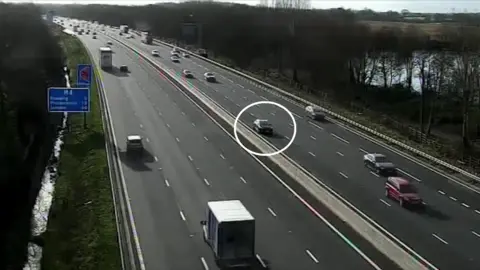
The Nissan Micra was parked in the outside lane of the M4 for about six minutes before the crash
It was just before 08.30 GMT on Monday 7 March 2022, the sun high in a partially-cloudy sky. Rajpal Dene was driving westwards on the M4, near Reading, Berkshire.
Her mother, Pulvinder Dhillon, aged 68, was in the passenger seat. Suddenly, the Nissan's engine failed, lost power, and came to a standstill.
The horrific reality was that their car was stranded in the outside lane - lane four - of a smart motorway, with no hard shoulder to escape to in the event of a breakdown.
For five minutes and 58 seconds, the two women were trapped. Dene turned on the hazard lights. Thirty-five cars, travelling at 70mph, passed within inches. Fourteen vehicles were forced to swerve to avoid crashing into the stranded car.
Approximately eight miles behind on the M4 was a Ford Transit van driven by Barry O'Sullivan. He passed under 14 motorway gantries, but not one carried a red warning 'X' signal of an obstruction ahead.
At 08:36, O'Sullivan's van smashed into the back of the Nissan, causing it to catch fire.
Dene managed to escape but her mother was killed, despite heroic attempts by other drivers to rescue her.
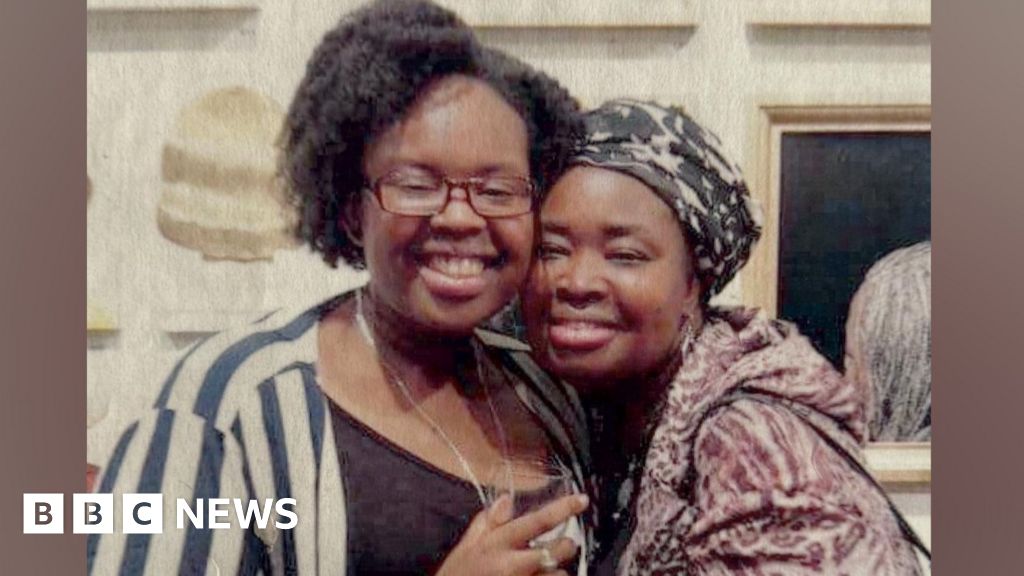
 Family handout
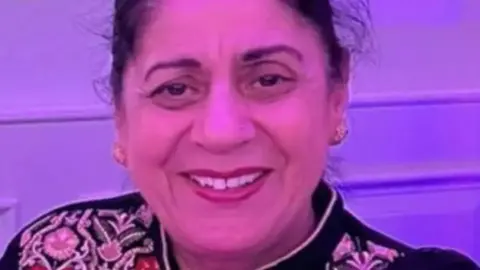
Pulvinder Dhillon was "loved and respected by all she knew", her family said
At Reading Crown Court, a jury had to decide who was ultimately to blame for the death of Dhillon.
Barry O'Sullivan, aged 45, of Wixams, Bedfordshire, was charged with causing death by careless driving.
The prosecution alleged he was travelling 'at speed', approximately 77mph, without wearing a seatbelt and was distracted ahead of crashing into the broken down car.
Prosecutor Ian Hope said O'Sullivan "essentially ploughed straight into the back of the stationary Nissan, with there being no apparent avoiding action to the naked eye."
O'Sullivan's defence was that the failure of the smart motorway technology made the collision inevitable.
National Highways had been told five days earlier, on 2 March, that data was not being received from this section of the M4, but had failed to fix it.
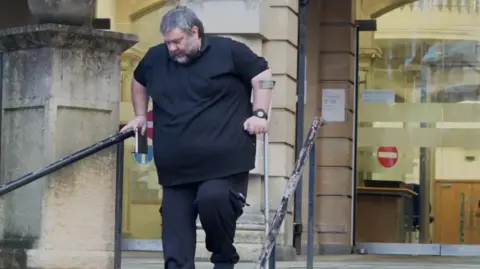
Barry O'Sullivan was found guilty of causing death by careless driving on Wednesday
Ian Bridge, representing O'Sullivan, told jurors that the defendant "did not cause this death.
"O'Sullivan and all the other road users were unaware that it (the technology) was not working and they drove along the motorway completely oblivious to the fact that the system had been defective for that time."
Bridge added that 999 and 101 calls were not passed by Thames Valley Police call handlers to the National Highways control room.
This meant that no warnings could be put on the 14 gantries and lollipop signs along that stretch of the motorway.
Bridge added: "[Dhillon] was stranded for six minutes, there were 14 warning signs, none of them worked. We submit that was the cause of this tragedy rather than any failure on his [O'Sullivan's] part."
The jury also heard that O'Sullivan drove approximately 25,000 miles a year as a contract boiler engineer.
He had a clean driving licence and tests showed no trace of alcohol or drugs. There was no evidence he was using his mobile phone before the accident happened.
The airbag essentially saved O'Sullivan's life. He suffered multiple injuries to his pelvis, back and legs, and remained in hospital for four months after the crash.
Since the crash he walks with the aid of sticks and is invalided from work.
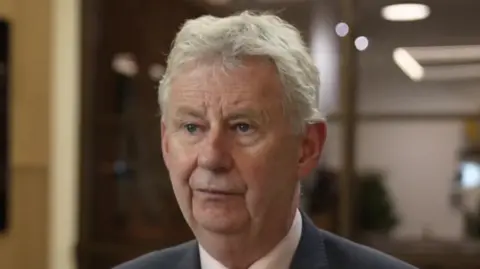
Edmund King said the AA s in favour of using technology and hard shoulders to improve safety
Having failed to fix the failing technology for five days, the jury heard that National Highways put "measures in place" soon after the fatal accident.
Bridge told Richard Thorpe, lead investigator in the case, that he understood that "something was done" to the smart motorway system after the collision and within an hour to 90 minutes, it was "back up and running".
Thorpe confirmed: "That's my understanding."
Thorpe was asked if he knew why the smart motorway system had failed.
He replied that his understanding was that a "computer error caused the fault".
Edmund King, the AA's president, said the organisation has campaigned against smart motorways for more than a decade.
"All too often the technology does not work," he said. "We saw in this case, the stop vehicle protection system wasn't working for five days. That's not a one off. We've had hundreds of cases previously of the technology not working.
"If it's meant to be a smart motorway, it's smart because of the technology; if it's not working, it's a dangerous motorway."
King said smart motorways are a "failed experiment" and said hard shoulders should be reintroduced where they have been replaced.
"Not having a hard shoulder means if you break down in a live lane you're dependent on technology that may or may not work [and] you're a sitting duck," he added.
"We would like to see the return of the hard shoulder and the use of technology to warn drivers if there's a problem."