 3 months ago
88
3 months ago
88
Jemma CrewBusiness reporter

 Getty Images
Around six million low-income households will continue to receive £150 off their winter energy bills after the government confirmed its Warm Home Discount will remain for five more years.
It follows a consultation on how best to continue the scheme, which has been in place since 2011, with eligibility widened last year to include a further 2.7 million families.
Ministers said extending the scheme until the winter of 2030/31 would help with the ongoing high cost of living, which has largely been fuelled by a big increase in energy costs.
Charities broadly welcomed the continuation, which had been expected, but several said £150 did not go far enough to help struggling households.
Energy companies pay for and distribute the £150 Warm Home Discount to people's bills, meaning households who are eligible should get the discount automatically, provided their supplier has over 1,000 customers.
The government also said that 345,000 Scottish low-income households would now automatically receive the rebate next winter, bringing Scotland's policy in line with England and Wales.
Previously, eligible Scottish households have had to apply for the scheme.
The government said a small number of households will need to provide extra information to ensure they get the discount for the current winter period.
If they have received a letter advising them to call the helpline they must do so by 27 February, the government said.
The Warm Home Discount is separate from the £150 on average the government has said households will save on their energy bills from April, as set out by Chancellor Rachel Reeves in her November Budget.
Energy Secretary Ed Miliband has promised to lower energy bills by £300 by 2030. But critics have called this unachievable, and the author of the report his savings estimate was based on has since warned it could be wiped out by rising electricity costs.
The latest price cap set by the energy regulator Ofgem rose by 0.2% for the January to March period, following a 2% increase in October.
Energy suppliers currently cover the cost of giving the Warm Home Discount to lower-income customers through the standing charge, which is a fixed fee that they charge all customers.
But the government is proposing to change this so that suppliers cover the discount with the unit rate – the per-kWh charge for electricity and gas usage – meaning higher-use customers would contribute more to the discount than ones who use less energy.
It recently consulted on this, saying it would be "fairer" and overall "average consumers will see bill savings". It said it will provide an update "in due course".
'Avoids a damaging cliff edge'
 Getty Images
Gillian Cooper, Director of Energy at Citizens Advice, welcomed the continuation but urged the government to rethink its plans to change how suppliers cover the cost as these threaten to "undermine" the scheme's impact.
"Moving costs away from standing charges will increase bills for higher energy users, reducing the overall benefit of the discount for those households who need it most."
Simon Francis, coordinator of the End Fuel Poverty Coalition, said keeping it in place "avoids a damaging cliff edge" for struggling families, but also "risks locking in a scheme that we already know doesn't reach everyone who needs help".
Miliband said the continuation of the discount until 2030-31 will "give families much-needed peace of mind that they will continue to receive vital support, as we take action to bring down bills for good".
Shadow Energy Secretary Claire Coutinho said: "Most families will see no benefit from this announcement, but despite Ed Miliband promising families he would cut their bills by £300, they are seeing their bills soar thanks to Labour's policies."
Ned Hammond, deputy director of policy for customers at Energy UK, which represents energy companies, said it will work with the government on "further changes" to the scheme.
"[These include] better targeting and tiered support, to ensure that is both directed to those most in need and provides the right level of assistance to really make a difference for customers struggling to afford bills."
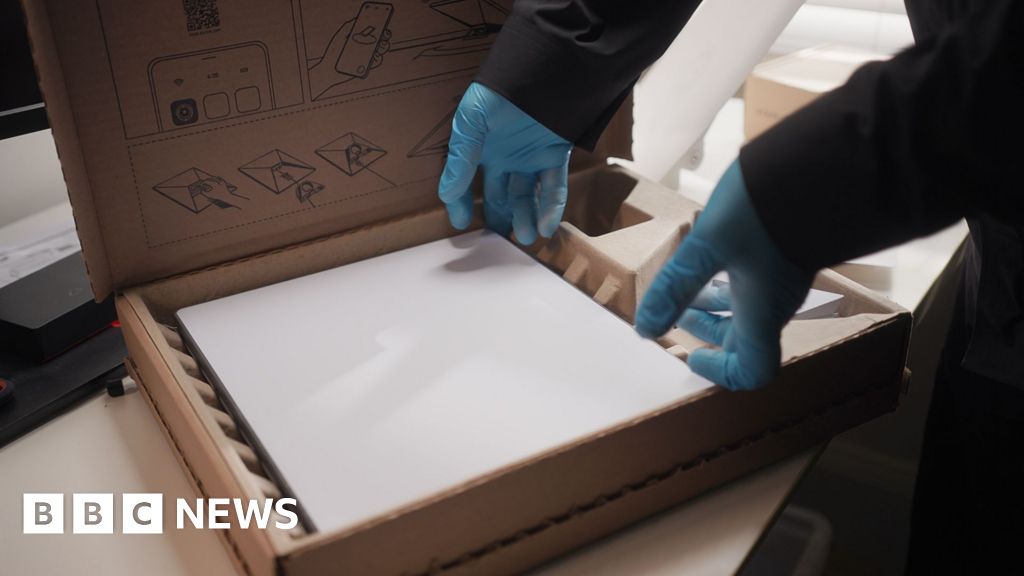
Separately, energy regulator Ofgem has confirmed that new compensation rules for slow smart meter installation will be introduced from Sunday.
Customers will receive an automatic £40 payment if:
- They have to wait more than six weeks for a smart meter installation appointment
- An appointment is not completed owing to a fault within the supplier's control
- There is a problem with their smart meter, but the supplier does not provide a resolution plan within five working days of the report
According to the latest government data, more than 70% of homes in England, Wales and Scotland have a smart or advanced meter, with more than 90% of these working correctly.