 3 months ago
86
3 months ago
86
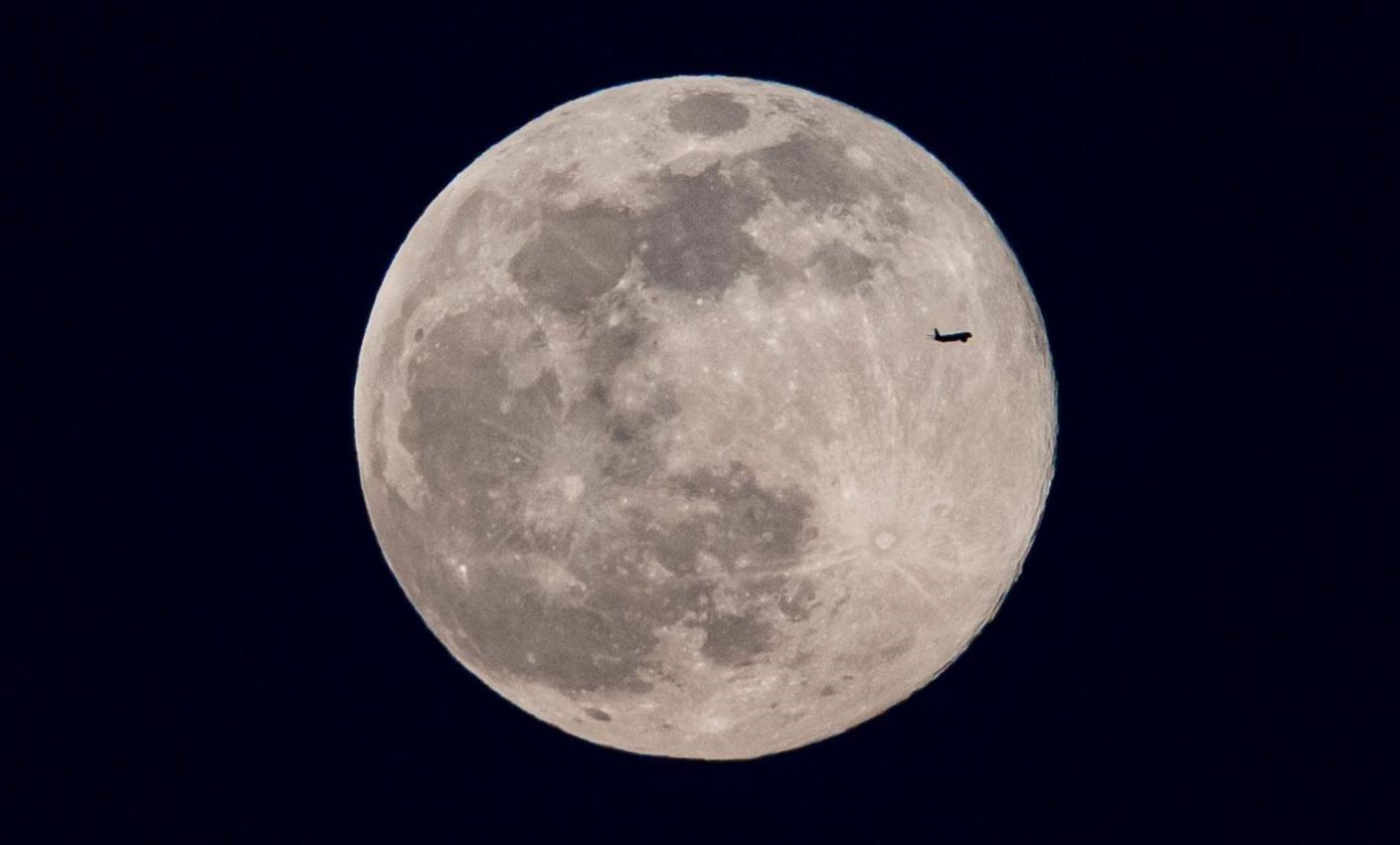 Image source, EPA-EFE/REX/Shutterstock
ByShireen Jordan
BBC Weather
Stargazers may be able to catch the last full Moon of meteorological winter on Sunday.
If you're tempted to pop outside to catch a glimpse, it will rise at 16:13 GMT in London and should be visible - clouds permitting - until it sets at 08:06 GMT on 2 February. These timings vary slightly depending on where in the UK you are.
A full Moon happens when the Sun and Moon are on opposite sides of Earth - in alignment, known as 'syzygy' - so the whole side that is facing us is illuminated.
It also appears to look full in the days before and after the peak, so there will be other opportunities to see it, if you don't catch it on Sunday.
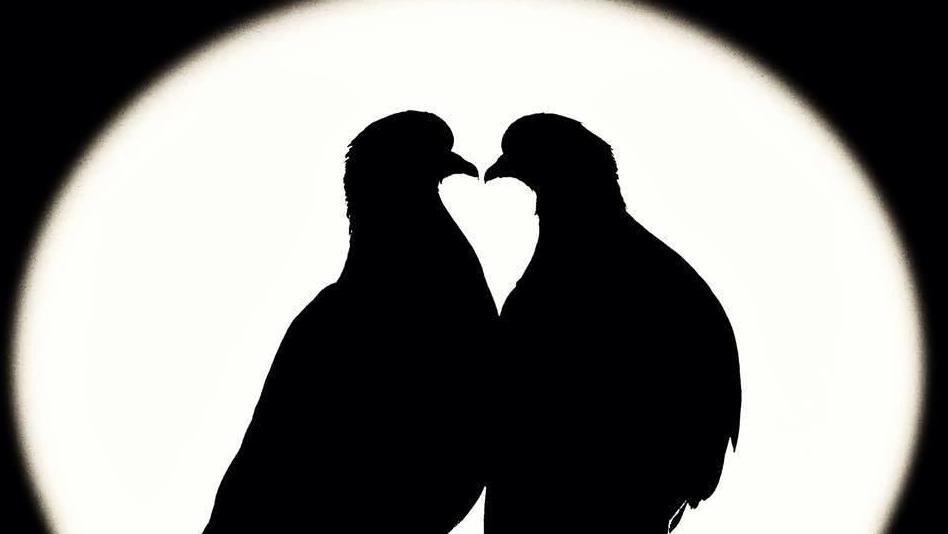 Image source, BBC Weather Watcher/ Dave's Patch
Last year the Snow Moon was visible in the night sky on Valentine's Day
Why is it called a Snow Moon?
Full Moons were historically named as a way of keeping track of the change of seasons and often influenced the timing of activities like hunting, harvesting and planting, where the bright moonlight could come in handy.
Each full Moon in a year has a name - a practice that dates back to ancient traditions centuries before the Gregorian calendar existed.
February's full Moon is known as the Snow Moon, after the heavy snowfall often associated with this time of year in the northern hemisphere, but is also sometimes called the Storm Moon or Hungry Moon.
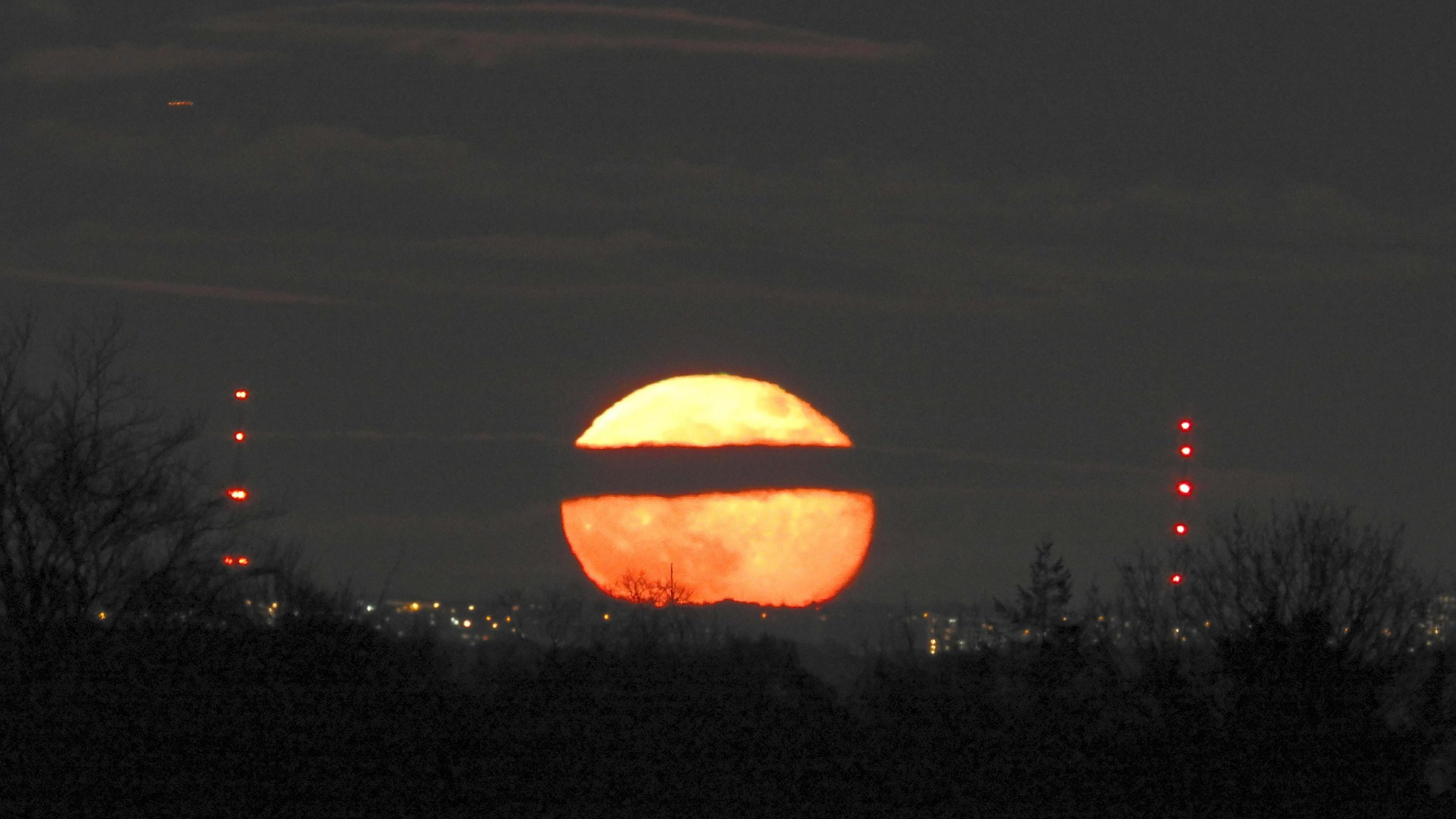 Image source, BBC Weather Watcher/ AstroMal
January's Wolf Moon captured by BBC Weather Watcher 'AstroMal' over Crystal Palace, London
Will I be able to see the full Moon?
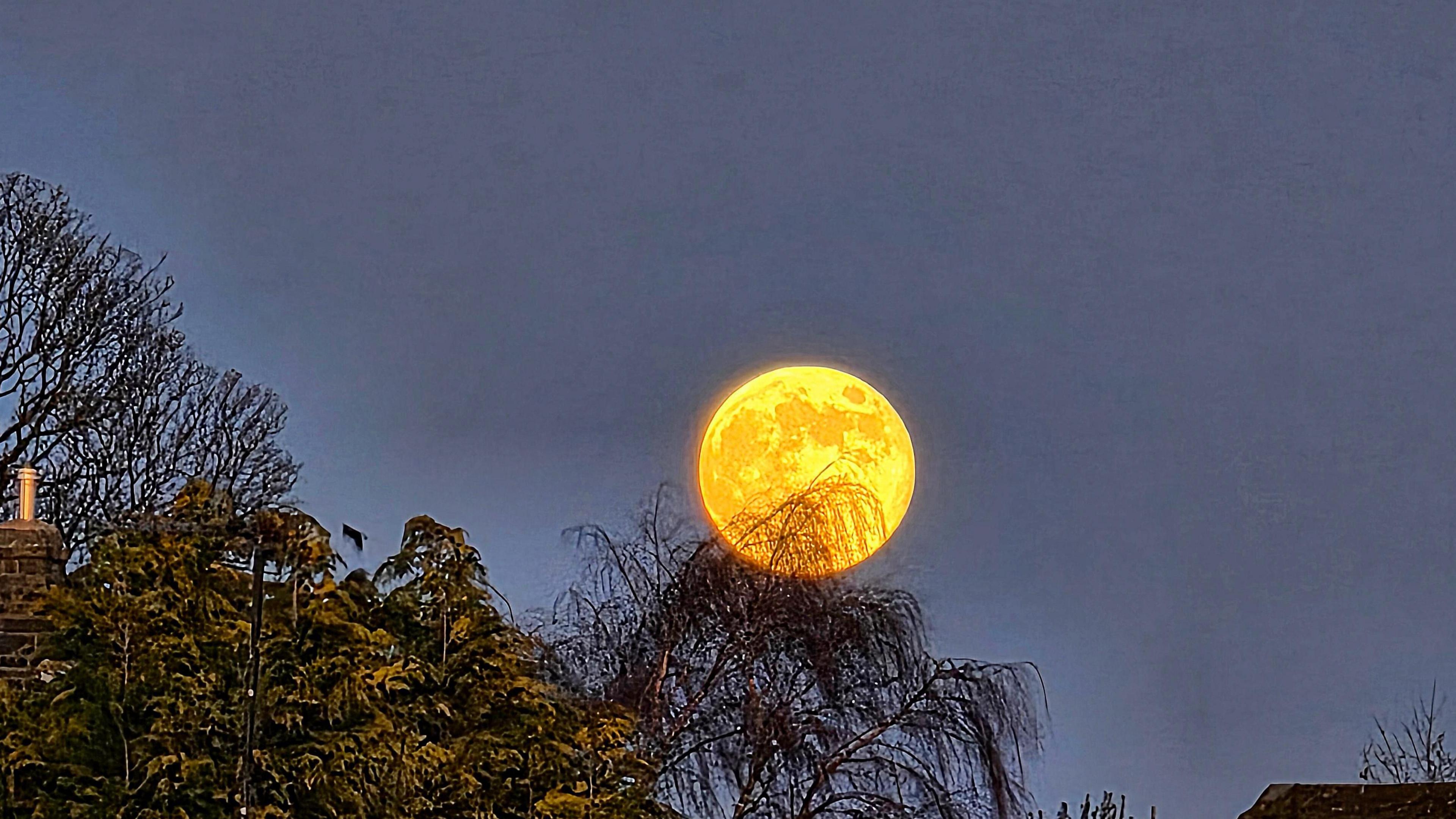 Image source, BBC Weather Watchers / YorkshireTed
A bright orange supermoon shines over Yorkshire
There is quite a lot of cloud in the forecast for Saturday and Sunday night, with the best of any clear spells likely to be across Northern Ireland.
The Moon will be at its peak illumination at 10:09 GMT in the UK when it is below the horizon, however it will still appear 'full' when it rises at night and for the following few days.
Sunday will see a largely cloudy day with patchy rain in places, mainly the north and east and just a few brighter breaks between these.
If you manage to spot the Moon and want to take a picture make sure you turn off the flash on your phone, activate night mode and use ambient light. Oh, and check the BBC Weather forecast.
The lunar month
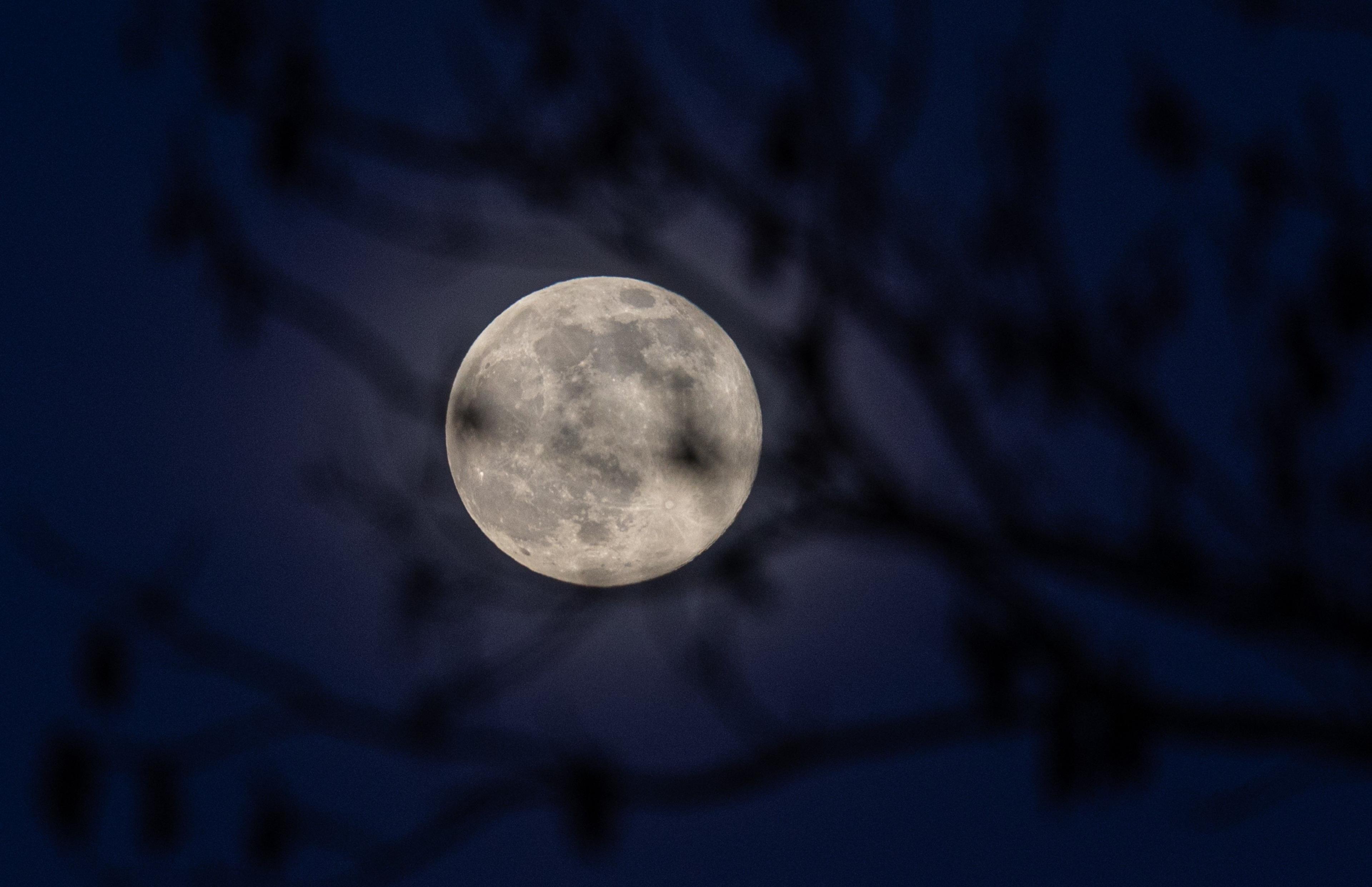 Image source, Matt Cardy/Getty Images
The Snow Moon in February 2023 was the smallest one of the year making it a Micromoon - the opposite of a supermoon
This year there will be an extra full Moon on 31 May, known as a Blue Moon. This is the name given to the second full Moon in a calendar month.
May's Blue Moon will also be one of three Micromoons this year. Micromoons appear to look smaller in the sky and are the opposite of a supermoon.
We usually get 12 full Moons a year, but as this doesn't quite match up with the lunar cycle we get an additional one roughly every two and half years.
As it only happens every few years it is where the expression 'once in a blue moon' comes from.