 2 months ago
67
2 months ago
67
Joe PikePolitical correspondent

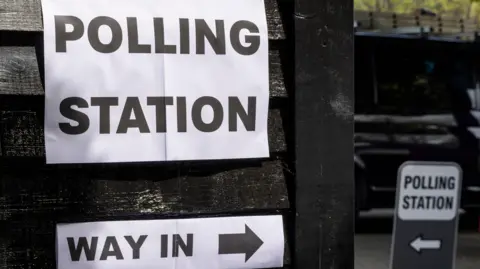 Getty Images
Keir Starmer and his team knew last week that a U-turn on delaying council elections was inevitable, and they knew it would be painful.
From my conversations with some of those involved, they sound frustrated, downbeat and a little annoyed.
The PM's advisers correctly predicted that Nigel Farage would paint their reversal as a victory for him - after all, ministers were forced to cave ahead of an imminent legal challenge from Reform UK.
The alternative may, however, have been even more embarrassing for the government.
Imagine their legal arguments being picked apart in court, perhaps a judge criticising their actions, and even Nigel Farage celebrating a major win in front of TV cameras on the steps of the Royal Courts of Justice.
Allies of Local Government Secretary Steve Reed - who is ultimately responsible for this reversal - argue that their approach shifted because the legal advice changed. But they won't explain how.
"We're trying to make policy while live legal advice is fed in," says one official. "It's never going to be perfect."
It seems highly likely that ministers were warned that they might lose Reform's court challenge.
Even though the case is now not going ahead, the government still faces a significant lawyers' bill, as well as having to pick up Reform's legal costs which are reported to be more than £100,000.
Ministers have also committed to helping those councils that will now need to run complex multi-ward elections with just two and half months' notice.
The District Councils Network, which represents many of the smaller councils affected, says voters will be "bewildered".
The fallout from this embarrassment is far from over. The Conservatives and Liberal Democrats are calling for the government's legal advice to be published - something that is likely to be fiercely resisted in Whitehall.
The Lib Dems are also considering using their upcoming 'opposition day' in Parliament next week to try and force the government to reveal what happened.
Ministers had argued that with local government reorganisation and simplification underway, why hold expensive elections for councils that might not exist in a year or two?
A lot of stretched local authorities agreed, but they now face a rush to print ballot papers and prepare polling stations.
Labour might have received a political advantage if the election delays had gone ahead.
The party currently controls 21 of the 30 English councils where elections were due to be delayed, and opinion polls suggest it may have been difficult to keep hold of all of them.
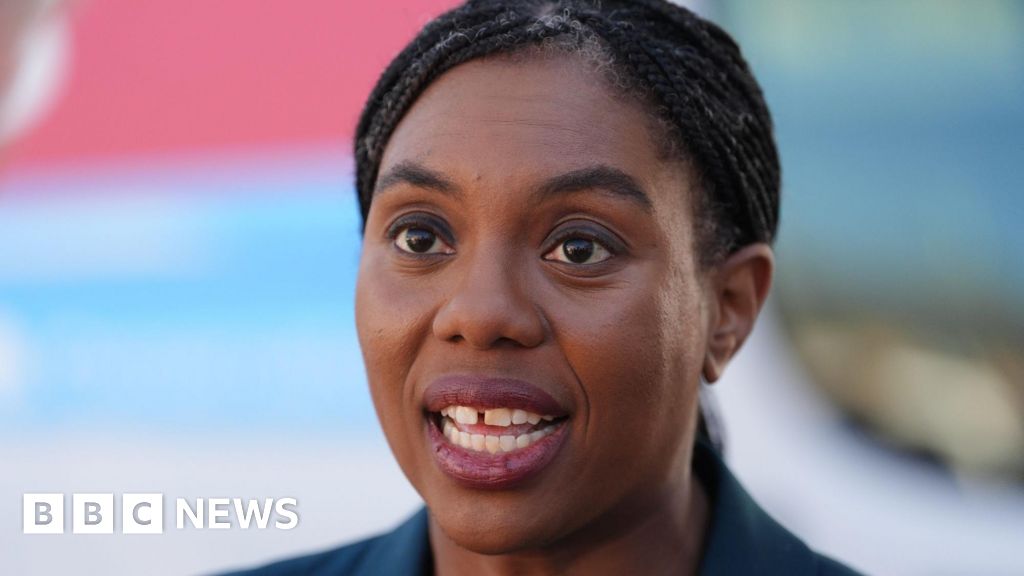
These extra contests may also magnify possible losses for the Conservatives - Kemi Badenoch's party currently holds many of the seats where votes have been reinstated.
Reform, the Liberal Democrats and the Green Party are likely to be less worried. May 7 could provide opportunities for them to bolster their representation in English local government.
Yesterday's shift in policy was both a U-turn, and a humiliation for Local Government Secretary Steve Reed.
As to Reform's call for Reed to resign, a government source brushes off the suggestion: "We're not Manchester United", they say. "It's not like we're having one managerial resignation a month."