 7 hours ago
5
7 hours ago
5
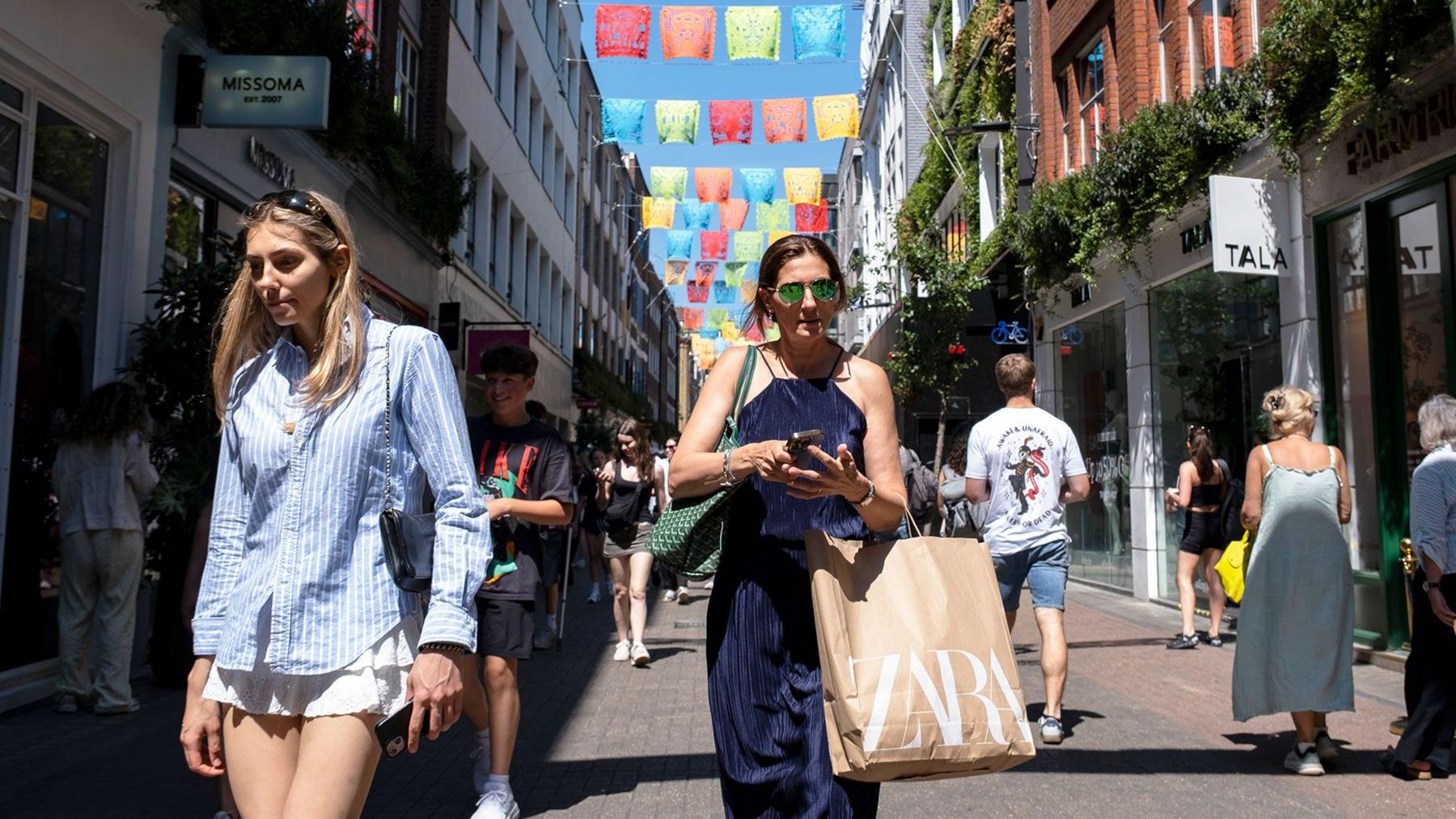 Image source, Getty Images
ByLucy Hooker
Business reporter
Summer sun and sports fixtures helped the UK economy grow between April and June, according to official data, but some economists warned the outlook for the rest of the year was weaker.
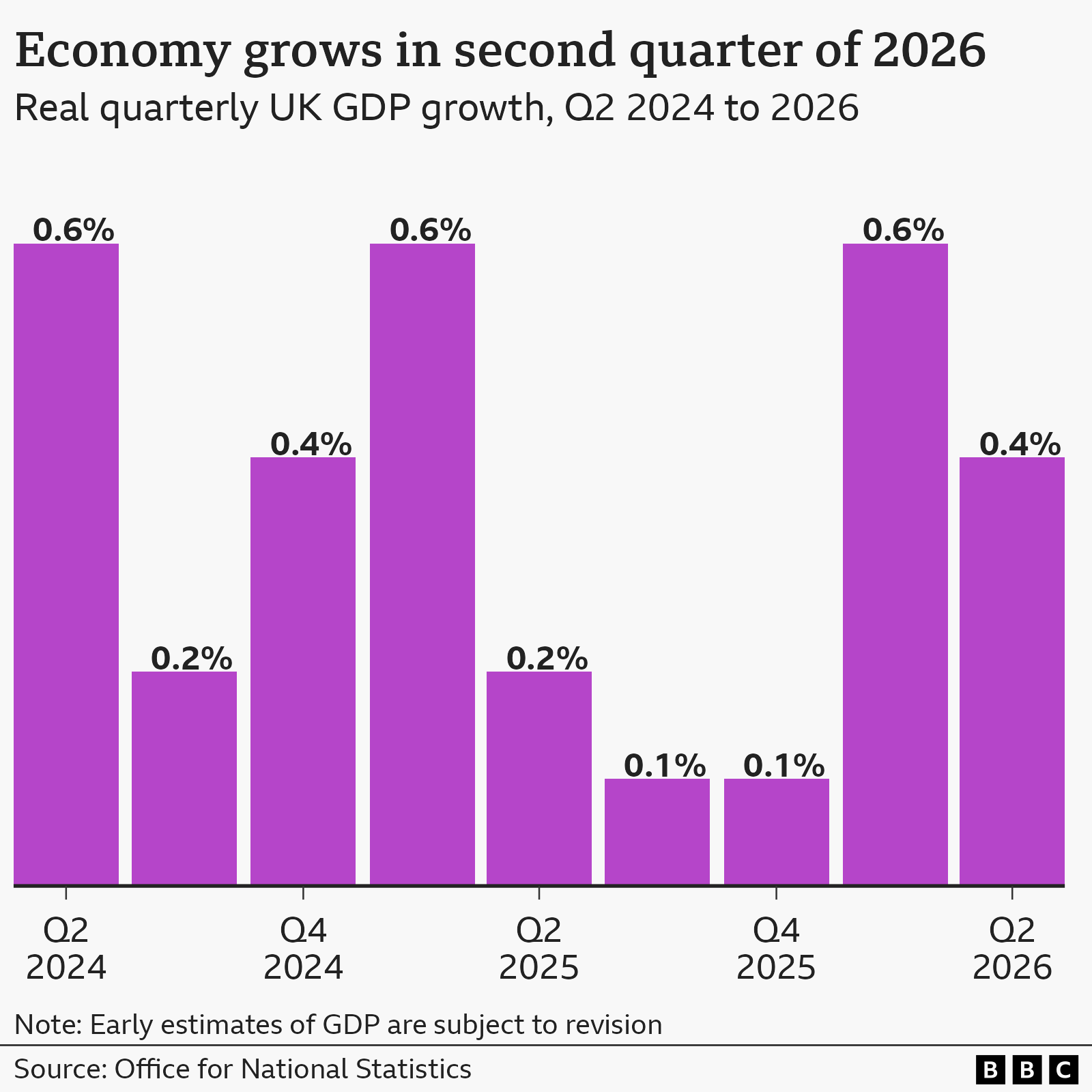
The economy expanded by 0.4%, in line with market expectations but below a 0.6% increase in the first three months of this year.
The Office for National Statistics (ONS) said growth had "remained relatively robust", with the UK ahead of other G7 countries for growth this year so far.
Experts questioned whether this resilience would be maintained, however, given growth was fuelled by some temporary factors and energy prices could remain volatile if the Middle East conflict continues.
The British economy is now 1.2% bigger than a year ago, the ONS said, despite fears that the Iran war, which started at the end of February, and politically uncertainty around Sir Keir Starmer's resignation as prime minister would hold back growth.
Between April and June, sectors including computer programming, advertising and the pharmaceutical industry lifted growth. That was offset by falls in power generation and sewerage.
The ONS said some businesses reported that "good weather and sporting events may have had a positive effect" in June, boosting month-on-month growth to 0.3%.
The men's football World Cup, which kicked off mid-June, increased customers at hospitality venues showing the matches.
June also saw several of summer's heatwaves. However, May's growth was revised down from 0.1% to zero growth.
Fergus Jimenez-England, associate economist National Institute of Economic and Social Research said the UK economy had "weathered the recent energy shock better than many feared".
Matt Harwood, director of Clarity Plastics, a plastic injection moulding company with sites in Birmingham and Telford, said that while the conflict had affected costs for things like raw materials, there had since been some stabilisation.
"When the Iran war started, availability went down and prices went up," he said. "However, we're seeing that kind of level out now, and prices coming back to the kind of the normal levels again.
"We've tried to stay resilient by carrying on investing. We're now installing a large 1500-ton machine... that's kind of giving us a competitive edge now as well."
But Jimenez-England said the recent pace of growth for the UK economy was unlikely to be sustained.
"Both inflation and unemployment are set to rise in the coming months while business sentiment remains fragile and could dampen further with ongoing energy price volatility.
"The economy has shown welcome resilience so far, but we are not out of the woods yet."
On Wednesday, it emerged that Prime Minister Andy Burnham has been warned by the Treasury that the UK economy may grow by just by 0.9% this year and could be as low as 0.3% in 2027 if disruption in the Strait of Hormuz continues.
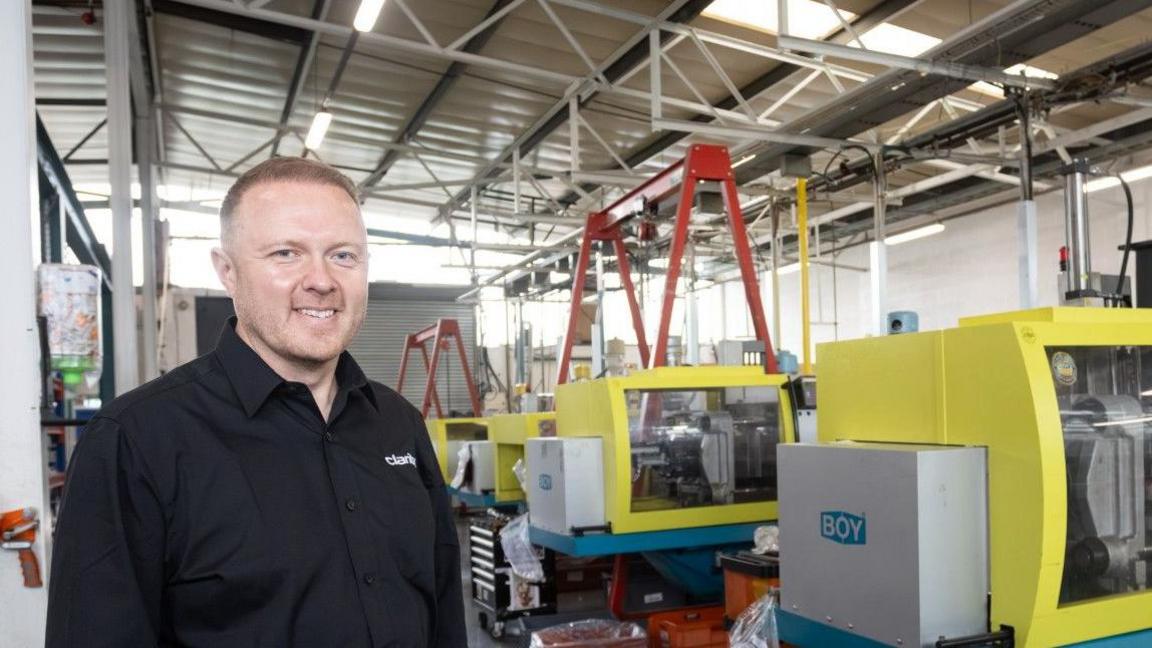 Image source, Clarity Plastics
Clarity Plastics' Matt Harwood says price volatility caused by the war has calmed
Suren Thiru, chief economist at the Institute of Chartered Accountants in England and Wales, said that while households and firms had "largely shrugged off the shockwaves from the Iran war" much of the growth in the second quarter had been driven by "temporary factors".
This was likely to be followed by a "more painful deceleration" in the next few months, he said, and would make Chancellor John Healey's first Budget in October "more challenging".
Responding to the latest growth figures Healey said: "I know people are worried about the impact of the conflict in the Middle East on their cost of living, which has been too high for too long and it has added pressure on British businesses."
He said the government's aim was to make the country "more resilient" and to "drive growth in every postcode".
Shadow chancellor Sir Mel Stride said Labour had "mismanaged the economy with their tax and borrowing spree, leaving it weak and vulnerable to the effects of shocks like the Iran War.
"Labour need to realise that it's their poor decisions which have stifled growth and made the cost of living worse," he said.
Liberal Democrat Treasury Spokesperson Daisy Cooper MP said the figures were "little to celebrate".
"After Labour's two anti-growth budgets, Burnham needs to urgently get a grip on the economy and get Britain growing again, supercharging economic growth through a new trade deal with the EU, including joining the Single Market," she said.