 2 months ago
110
2 months ago
110
Richard WheelerPolitical reporter

 PA Media
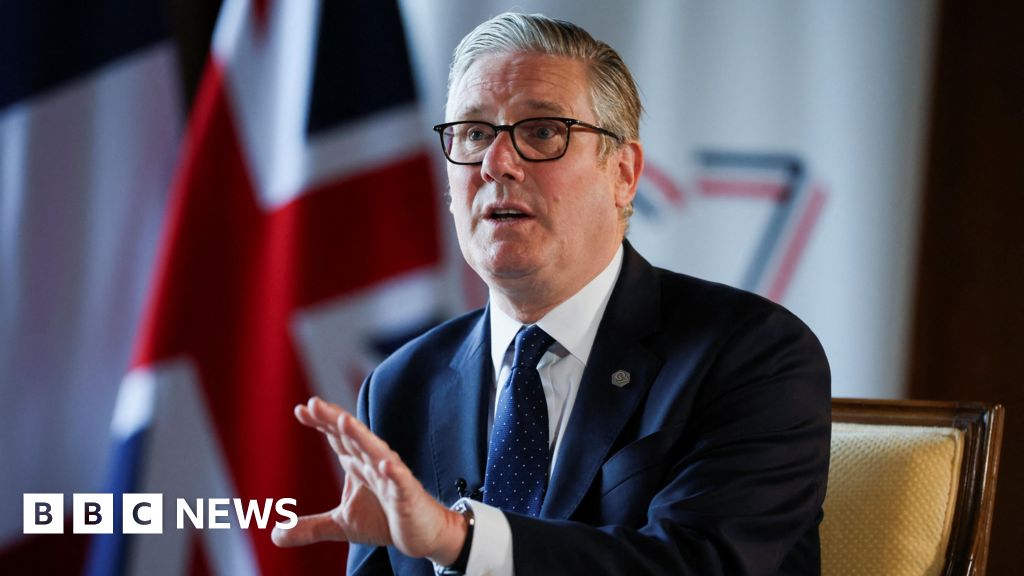
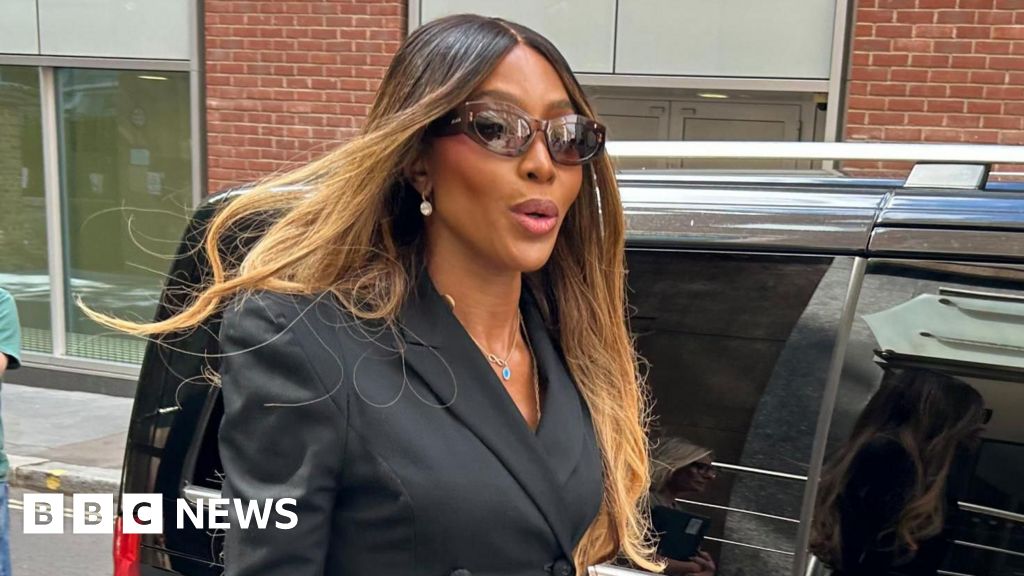
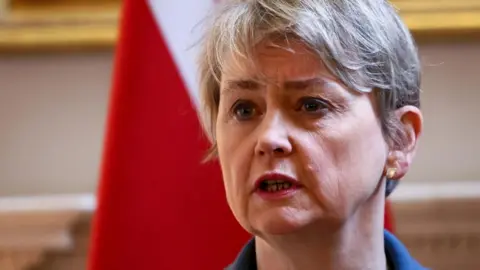
Foreign Secretary Yvette Cooper says funding will be focused on areas in crisis
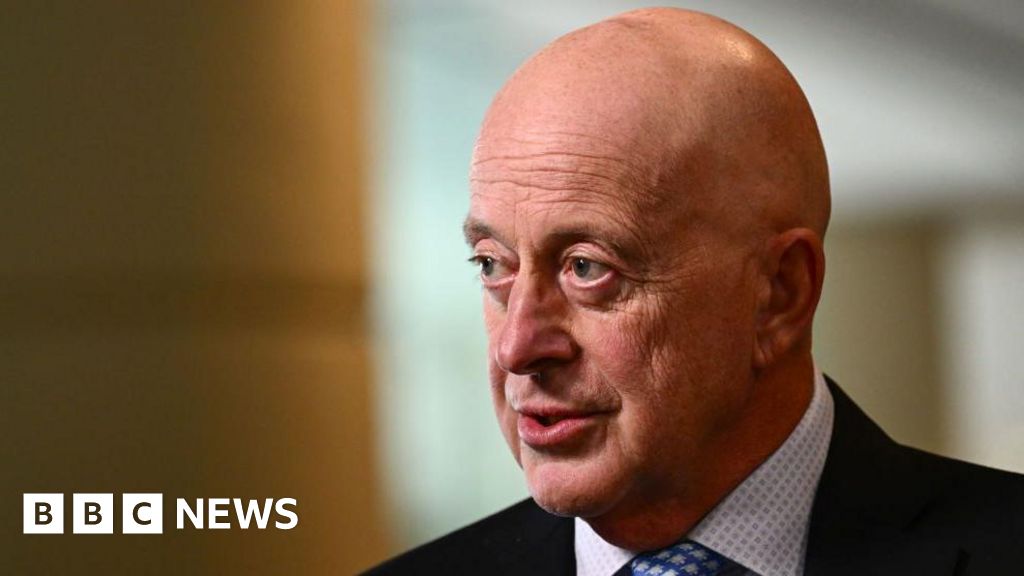
Britain's smaller overseas aid budget will be targeted at areas in "greatest crisis and conflict", the foreign secretary has said, as she announced some countries face "significantly" reduced grants.
Yvette Cooper told MPs that funding will be "fully protected" next year for Ukraine, Palestine, Lebanon and Sudan, while Mozambique and Pakistan are among those having the biggest cuts to their direct grants.
The government announced last year it would cut about £6bn from the overseas budget by 2027 in order to fund an increase in defence spending.
Aid groups criticised the "reckless" cuts and Labour MP Sarah Champion warned the government's approach would "make the whole world more vulnerable".
Bond, a UK network for international development organisations, warned there are severe cuts, particularly for the Middle East and Africa.
Making a statement to MPs, Cooper said direct bilateral aid funding would be reduced but support to "proven global partnerships", including the vaccine alliance Gavi, would continue.
Helping fragile states, tackling violence against women and girls, and responding to climate change are among the priorities, Cooper said.
The foreign secretary told MPs: "Countries like Yemen, Somalia and Afghanistan will remain humanitarian priorities, they will see direct grant reductions although we will continue to support multilateral programmes which operate in those countries too.
"Countries like Pakistan and Mozambique will remain development priorities but their direct grant funding will be significantly reduced and instead we will run partnerships for investment."
Cooper said there is a need for "partnership not paternalism", with the UK seeking to be "an investor not just a donor" to help other countries "attract finance, not be dependent on aid".
Champion, who chairs the international development committee, said military officials believe the "best line of prevention and first defence is our development money", as she warned the cuts could have "massive consequences".
She said these included people "coming to our shores" to seek sanctuary and opportunities that will have been reduced in their own countries.
Liberal Democrat international spokesperson Monica Harding described the government's approach as "strategically illiterate" and warned Russia or China could fill the vacuum left by the UK.
She said: "By cutting aid and development [Cooper] weakens our security and therefore needs more defence spend down the line."
Asked for assurances that the UK would continue to support efforts to eradicate Polio, Cooper said: "We are not continuing the direct funding around Polio, that is a difficult decision.
"But what we are doing is insisting that Polio is covered as part of the Gavi funding."
Bond CEO Romilly Greenhill said: "Africa and the Middle East, both home to some of the world's least-developed countries, will be forced to pay the highest price because of the reduced budget."
Adrian Lovett, UK executive director of the ONE Campaign, said: "Slashing bilateral aid to Africa, where need is greatest, will have a devastating impact.
"These choices will leave millions without access to basic healthcare, education and urgent humanitarian support, and risk a resurgence of deadly diseases we've spent decades trying to fight."
The previous Conservative government reduced aid spending from 0.7% of gross national income - a global benchmark - to 0.5% in 2021, citing the economic pressures caused by the Covid pandemic.
Labour's 2024 general election manifesto said the party was "committed to restoring" development spending to 0.7% "as soon as fiscal circumstances allow" but within months they announced it would be reduced to 0.3% by 2027.
A House of Commons Library briefing last month said aid at 0.3% will total an estimated £9.2bn.
International rules allow governments to spend some of their foreign aid budgets at home to support asylum seekers during the first year after their arrival.
Government statistics show it spent £2.8bn, or 20% of its aid budget, supporting refugees in the UK in 2024.
This includes accommodation costs of thousands of asylum seekers who have recently arrived in the country, with the government saying it is committed to ending the use of asylum hotels.