 1 month ago
63
1 month ago
63
Joshua Nevett,Political reporterand Paul Seddon,Political reporter

 PA Media
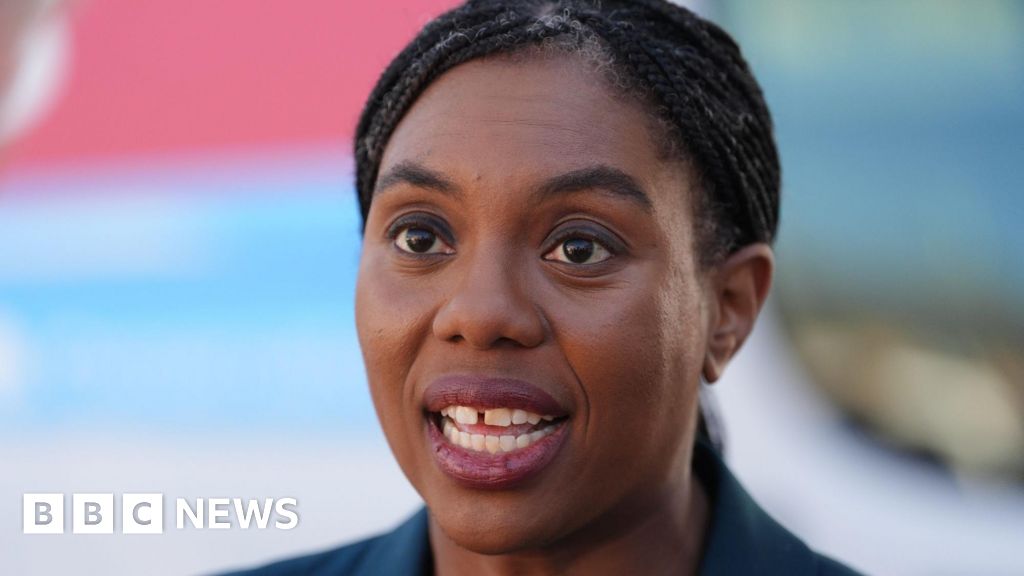
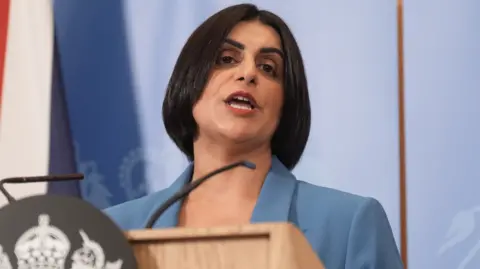
Families of failed asylum seekers will be offered up to £40,000 to leave the UK under a new pilot announced by Home Secretary Shabana Mahmood.
Mahmood said the government would seek to forcibly remove failed asylum seekers if they do not accept "incentive payments" of up to £10,000 per person, capped at four per family, within seven days.
The scheme is expected to target about 150 families living in taxpayer-funded accommodation, and the Home Office estimates it could save £20m if successful.
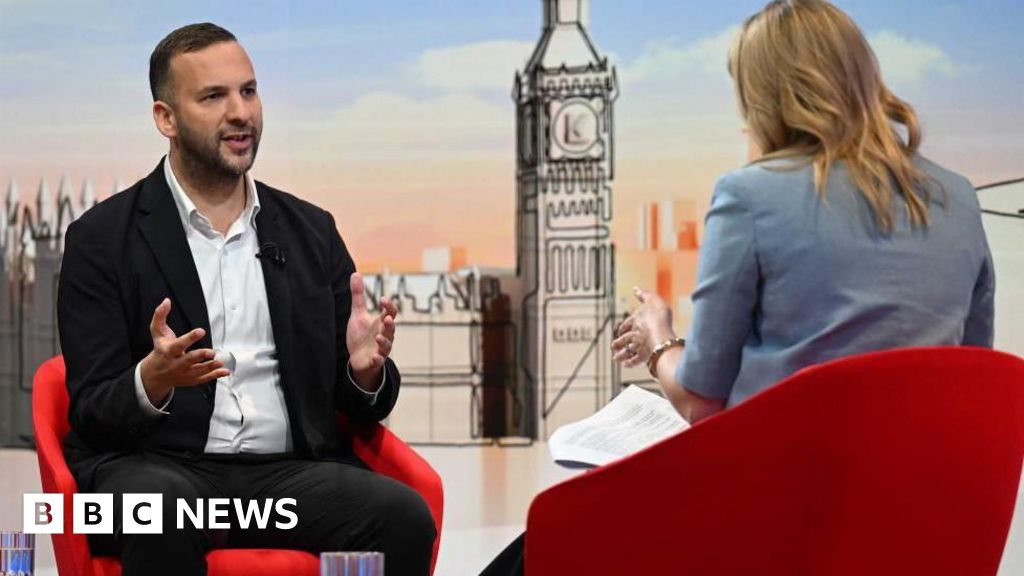
Mahmood unveiled the scheme as she sought make the "Labour case" for restricting support to some asylum seekers in a speech to a left-leaning think tank on Thursday.
The UK government already runs a voluntary returns programme that provides up to £3,000 in financial support to eligible asylum seekers who choose to leave the UK.
Mahmood said housing a family of three in asylum accommodation costs up to £158,000 per year.
The home secretary said the UK government wanted to offer an "increased incentive payment" that will represent a "significant saving to the taxpayer", in an echo of reforms introduced in Denmark.
Mahmood said the government was consulting on how to remove families with children who refuse to leave voluntarily "in a way that is humane and effective".
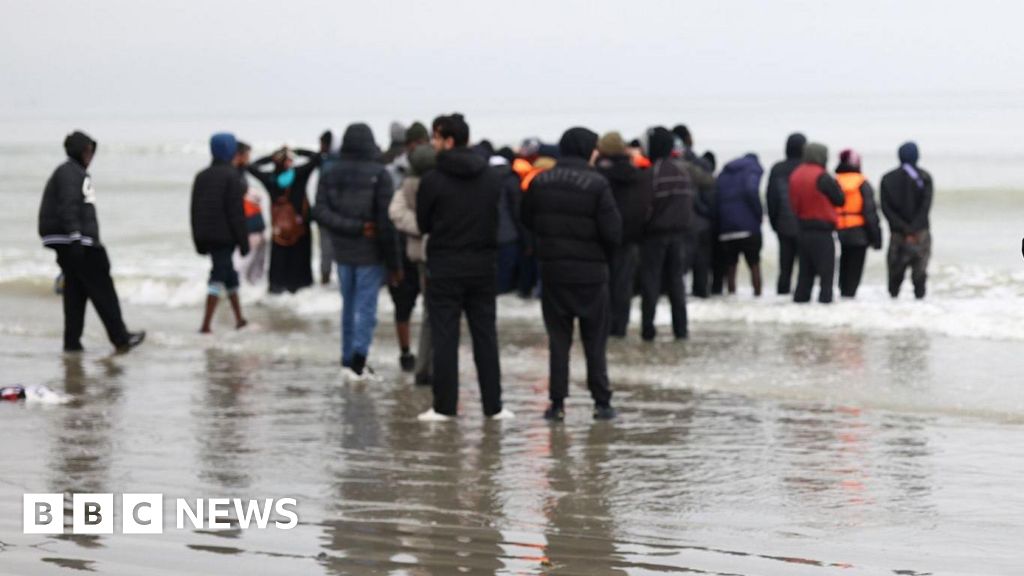
"For too long, families who have failed their claims have known that we are not enforcing our rules, which created a perverse incentive to make a Channel crossing with children in a small boat it," she added.
Refugee and Migrant Children's Consortium, a coalition of 100 organisations, said it had concerns about the plans, adding families would have "just a week to make a potentially life-changing decision" without "time to access legal advice".
"Cutting support for these families if they do not feel able to leave will simply result in more children being left homeless and destitute," the group said.
In 2025, there were 82,100 applications for asylum in the UK, relating to 100,600 individuals. Of those, 58% of those applications were refused.
There were 28,004 voluntary returns in the year to December 2025, an increase of 5% on the previous 12-month period.
In her speech, Mahmood also announced that asylum seekers who break the law, or work illegally, will be thrown out of government-funded accommodation and lose their support payments.
The home secretary plans to remove the current legal duty to guarantee support to those at risk of destitution awaiting an asylum decision.
The Conservatives said Mahmood should go "much further", while the Green Party has accused her of echoing the rhetoric of the far right.
Her speech is a pitch to those in her party who are sceptical of her approach, with Mahmood emphasising that her changes would make the asylum system "compassionate but controlled".
Some left-wing Labour MPs are calling for the government to change its approach on migration in the wake of the party's defeat to the Greens at last week's by-election in Gorton and Denton.
About 100 Labour MPs have signed a private letter to the home secretary expressing concerns about her plans to make refugee status temporary.
Written by Tony Vaughan, the Labour MP for Folkestone and Hythe, the letter argues that it would "undermine the government's integration and cohesion objectives" by "leaving open the possibility of forced removal of settled refugees even after 20 years of lawful residence".
But in her speech, Mahmood argued that "restoring order and control at our border is not a betrayal of Labour values, it is an embodiment of them," and insisted the majority of Labour MPs supported the changes.
Under changes due to take effect in June, the government will limit accommodation and support to "those who genuinely need it", although it is yet to set out in detail how this will work.
Asylum seekers with the right to work - generally only granted after waiting for a decision for more than a year - could be denied further assistance under the plans, as it will be judged they will now come under the banner of being someone with the means to support themselves.
The Home Office says this would also include those who lodge an asylum claim after entering the country on a visa that gives them a right to employment.
Those with assets could also be required to contribute to the cost of their accommodation, with ministers previously suggesting that cars and e-bikes would be treated as assets.
It remains unclear how many people would be affected by this change, as the department does not disclose how many asylum seekers are able to work in the UK.
Mahmood used the speech to step up her attacks on the Greens, accusing the party of wanting to create "a world without borders" and calling for "the most expensive and expansive migration policies anywhere in the world".
On its website, the Green Party says in government it would "treat all migrants as if they are citizens" and "dismantle the Home Office".
A Green spokesperson said the home secretary was "deliberately misrepresenting Green Party policy and reducing it to cheap soundbites".
The Green Party said it recognised "the great contribution that migrants and refugees make to British society and we want to see policy that treats everyone with dignity rather than treating them harshly for political gain".
Mahmood also criticised Reform UK, which she said would oversee a "nightmare" of "pulling up the drawbridge and shutting out the world" if the party was in government.
Reform UK's home affairs spokesman Zia Yusuf said Labour was "taking the British people for mugs", adding: "Thousands more have crossed the Channel illegally already this year".
Chris Philp MP, shadow home secretary, said Labour "should put foreign criminals on a plane home, not onto British streets".
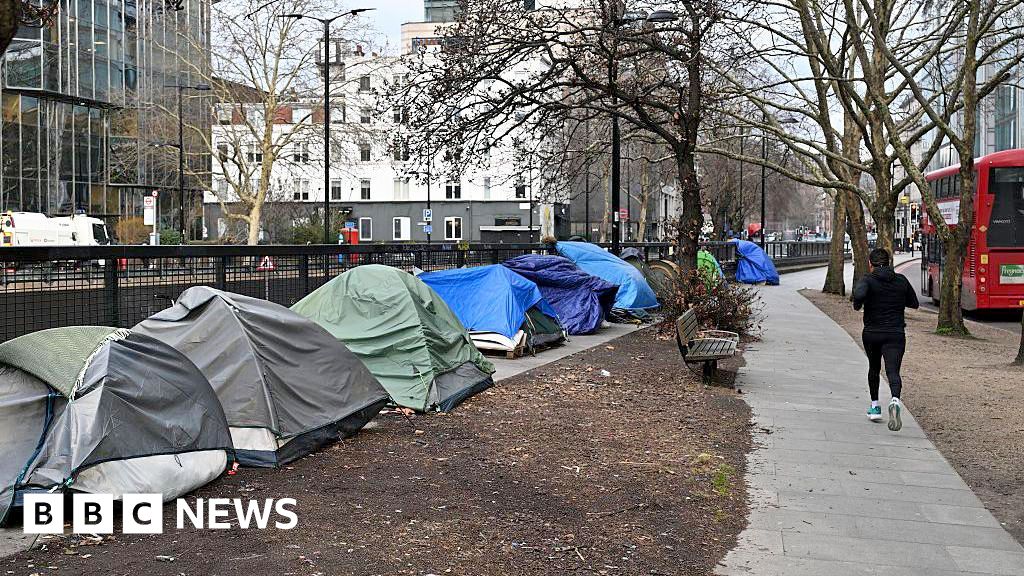
The Refugee Council, a charity, has warned that the plans could lead to an uptick in rough sleeping, shifting costs to local councils and the NHS.
Imran Hussain, its director of external affairs, said speeding up slow decision-making was a "far more effective" way to reduce costs.
Just over 107,003 people in the UK were receiving taxpayer-funded asylum support at the end of last year, including around 30,000 in hotels.
The government has pledged to phase out the use of hotels by 2029, and plans to move people to lower-cost large sites including former military bases.