 2 months ago
63
2 months ago
63

 EPA
EPA
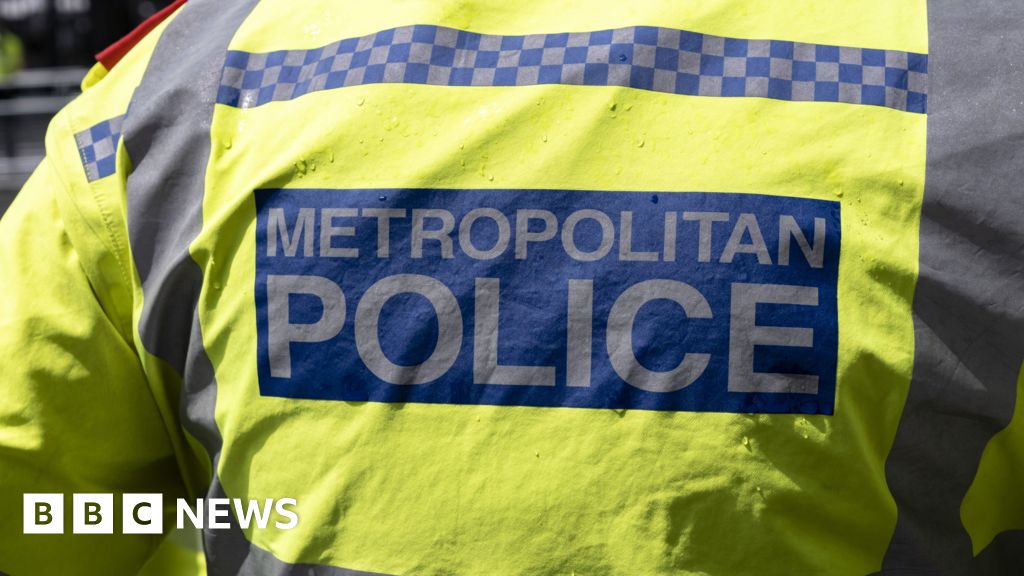
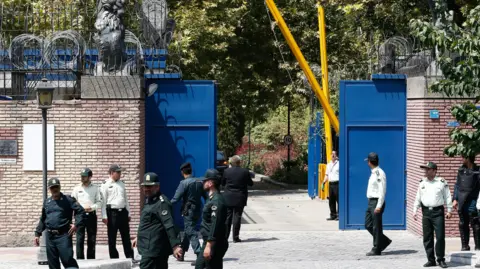
The UK Foreign Office said the decision was a 'precautionary measure' (file photo)
The UK has temporarily withdrawn staff from its embassy in Tehran, as the threat of US strikes against Iran prompts warnings from a number of countries to their citizens in the Middle East.
The UK Foreign Office said it was a "precautionary measure" and that its embassy in Iran's capital continued to operate remotely. It also updated its travel guidance to advise against "all but essential travel" to Israel.
Meanwhile, the US embassy in Israel told some non-emergency staff and their families on Friday that they could leave the country.
It comes a day after Washington and Tehran held talks widely seen as a last ditch effort to avoid a war over Iran's nuclear ambitions.
A number of other countries including China, India and Canada have told their citizens to leave Iran as soon as possible due to the prospect of hostilities.
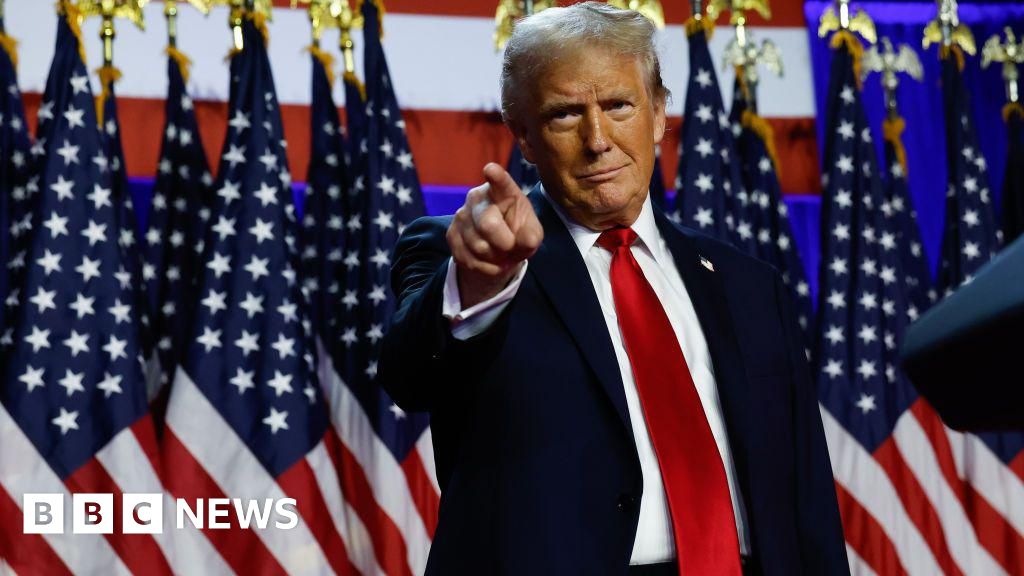
He has ordered the largest US military build-up in the Middle East since the US-led invasion of Iraq in 2003, while Iran has vowed to respond to an attack with force.
On Friday, US Ambassador to Israel Mike Huckabee advised embassy staff who wished to leave Israel to "do so TODAY", the New York Times reported.
He reportedly said in email there was "no need to panic, but for those desiring to leave, it's important to make plans to depart sooner rather than later".
A statement on the embassy's website said they "may wish to consider leaving Israel while commercial flights are available".
It comes days after the US government ordered all non-essential staff to leave its embassy in the Lebanese capital of Beirut, following a security review.
Meanwhile, the State Department has announced US Secretary of State Marco Rubio will travel to Israel on Monday, where he is expected to meet Prime Minister Benjamin Netanyahu.
Rubio will discuss "a range of regional priorities" including Iran, a spokesman said.
The US and its allies suspect Iran is moving towards the development of a nuclear weapon, something Tehran has always denied.
Thursday's indirect talks in Geneva between the two countries resulted in "significant progress", mediator Oman said, adding that further negotiations would take place soon.
Iran also hailed "good progress". There has been no official response from the US.
Vice-President JD Vance meanwhile told the Washington Post on Thursday that strikes remained under consideration - but there was "no chance" of the US becoming involved in a drawn-out war.
"I think we all prefer the diplomatic option," Vance said. "But it really depends on what the Iranians do and what they say."
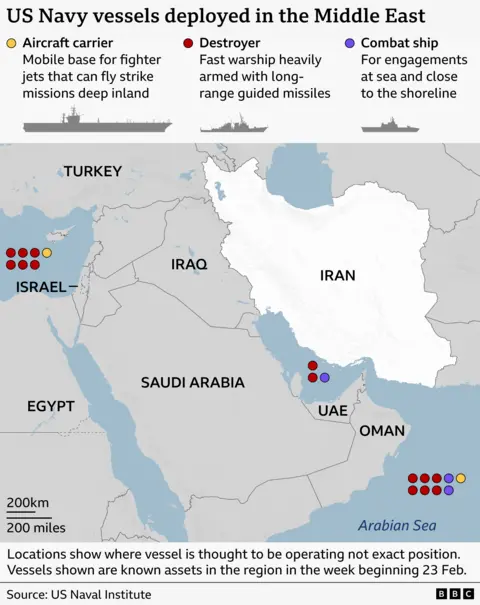
The US has sent thousands of troops and what Trump has described as an "armada" to the region in recent weeks, including two aircraft carriers along with other warships, as well as fighter jets and refuelling aircraft.
He said on 19 February that the world would find out within 10 days whether the US would reach a deal with Iran, or take military action.
"We have to make a meaningful deal otherwise bad things happen," Trump said at the time.
Iran says its nuclear programme is only intended for peaceful purposes, though it has in recent years enriched uranium up to near weapons-grade level.
Trump said at the time they had "obliterated" the facilities.
The UN's nuclear watchdog said on Friday that it had been refused access to the uranium enrichment sites ever since, calling it a cause of growing concern.
In a confidential report to its member states, the International Atomic Energy Agency said it was critical that its staff inspect the nuclear sites without delay.