 1 month ago
55
1 month ago
55
James LandaleDiplomatic correspondent, in Kyiv

 Getty Images
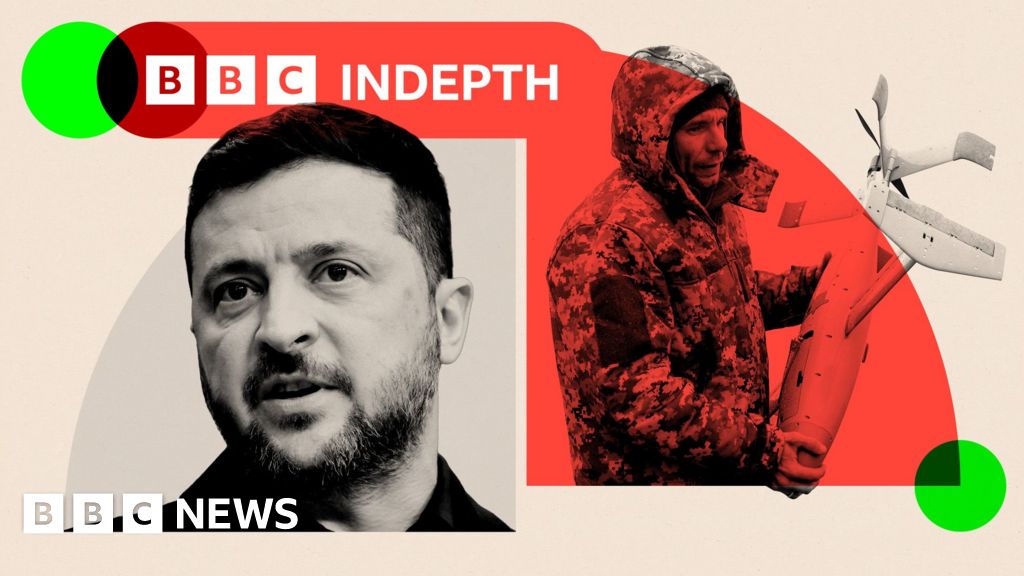
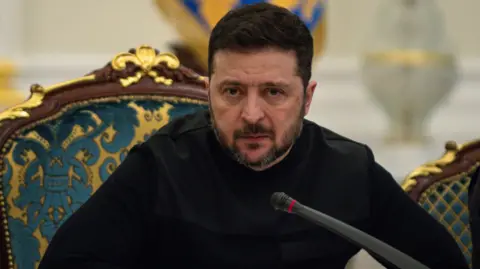
The US has asked Ukraine for help defending Gulf allies against Iranian drones, according to President Volodymyr Zelensky.
He said Ukraine's partners had been reaching out and there had been "requests from the American side". The Pentagon declined to comment.
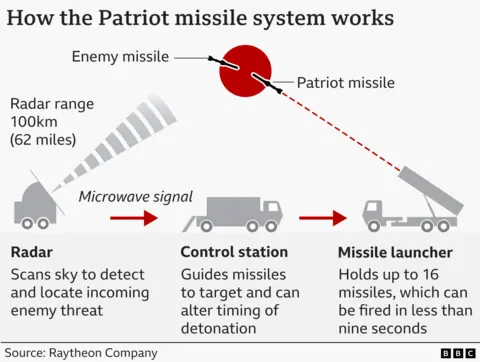
Zelensky made clear Ukraine would help only on the condition that its own defence was not weakened and that there were diplomatic gains for Kyiv - suggesting, in particular, that Ukraine would be willing to swap its interceptor drones for more US Patriot air defences to protect against Russian ballistic missiles.
The war in the Middle East has raised fears Ukraine could suffer if its allies are distracted by the conflict.
There have also been concerns about a potential shortage of interceptor missiles and Russia benefiting from rising oil prices, the proceeds from which are a key source of funding for its war effort.
Zelensky has acknowledged these risks but also seems keen to take advantage of the crisis to further Ukraine's national interest.
He has spoken to counterparts across the Gulf - in the United Arab Emirates, Qatar, Bahrain, Jordan and Kuwait - and is promising what he calls "concrete steps" to help them defend their military bases and civilian infrastructure from Iranian attack.
"It is clear what their main request to Ukraine is," Zelensky said on social media.
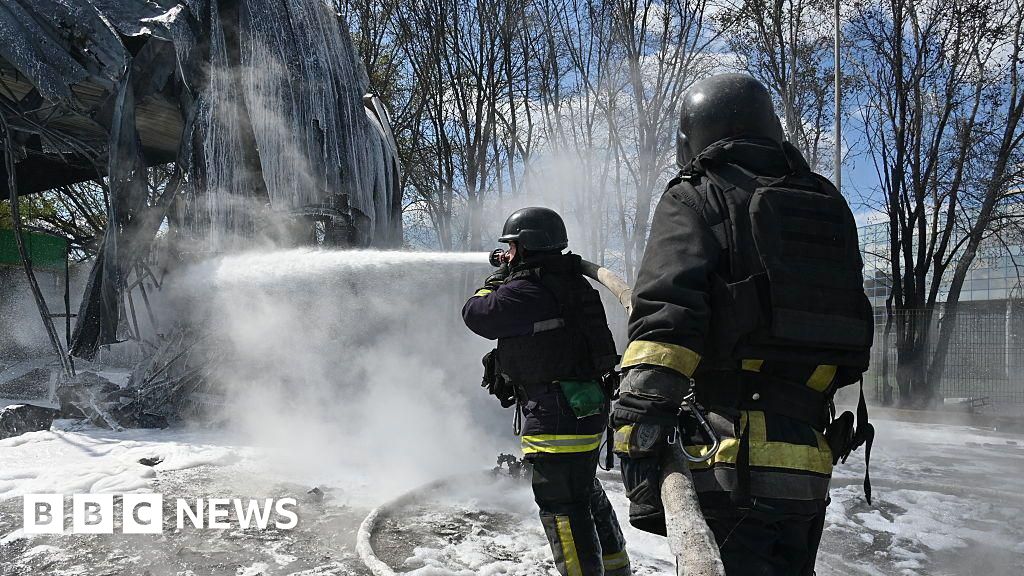
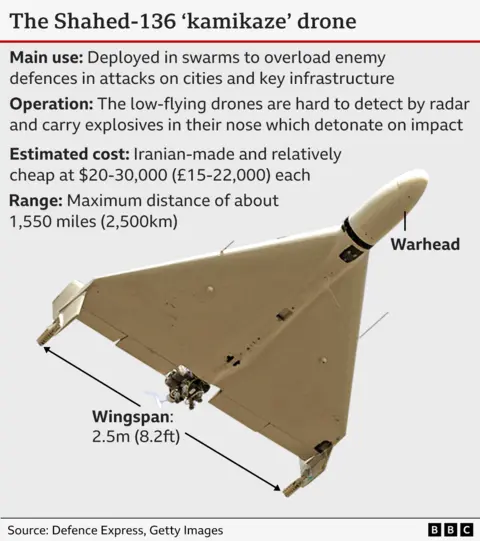
"Anyone who has faced Iranian strikes encounters a serious challenge - Shaheds, which are difficult to intercept without the proper expertise and adequate weapons."
He added: "It is in our common interest to help people defend themselves and to restore stability in critically important supply routes.
"Partners are reaching out to Ukraine for assistance in defending against Shaheds - for expertise and practical support. There have also been requests from the American side."
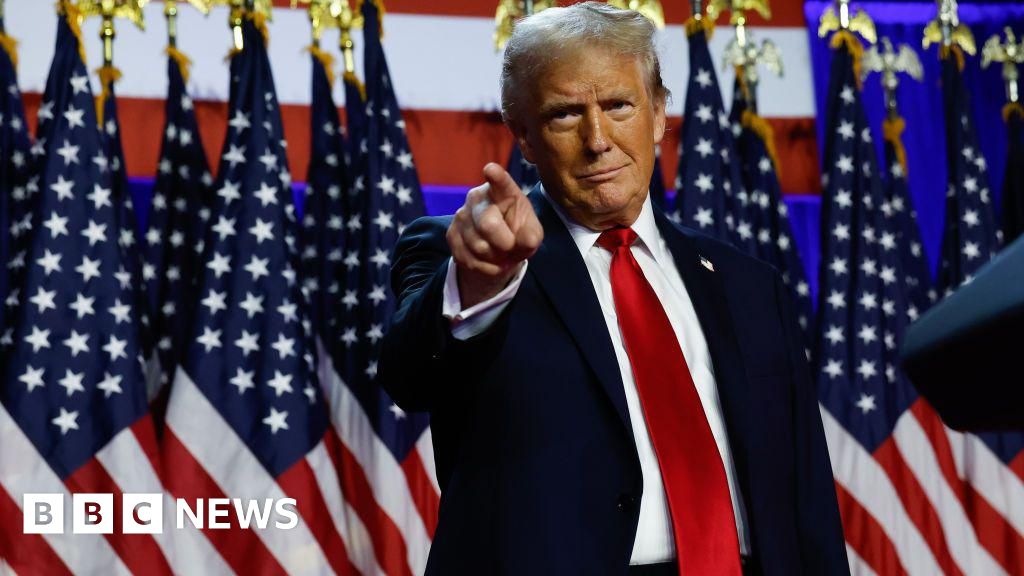
The irony of the US asking for help has not been lost on Ukrainians who have suffered from US President Donald Trump's erratic policy towards their defence against Russia's full-scale invasion.
The US has ceased direct military support under his administration but continues to provide vital intelligence that helps Ukraine both defend against drones and missiles, and strike targets deep within Russia.
Now, after years of Ukraine asking for help, the tables have been turned and it seems clear Zelensky wants to use this moment as a diplomatic, military and financial opportunity.
Ukraine may hope for US gratitude if it can help American allies in the Gulf, especially Saudi Arabia.
It may also hope to win favour among Arab nations, some of which have traditionally had close links with Russia and have tried to avoid taking sides in the Ukraine conflict.
Delegations from the Gulf have already arrived in Kyiv for discussions. One source said some had been told to stay in Ukraine's capital until they agreed a deal. The UK is said to be looking for ways of helping Qatar.
Zelensky may also hope that, by giving Gulf partners adequate air defences, he will discourage them from using expensive and scarce Patriot missiles to bring down cheap drones.
Ukraine faces a shortage of Patriot air defences, and Kyiv will not want too many diverted and wasted in the Middle East.
Zelensky told journalists on Thursday that about 800 Patriot PAC-3 missiles had been used already in recent days – more than Ukraine has received during the entire war.
He suggested a swap: "We would like to quietly work with countries – both those we can name and those we cannot – to obtain for ourselves some of the deficit missiles for Patriot systems and transfer the appropriate number of [drone] interceptors."
But any help Ukraine gives will be qualified. Zelensky said in his social media post: "Of course, any assistance we provide will only be on the condition that it does not weaken our own defence in Ukraine and that it serves as an investment in our diplomatic capabilities".
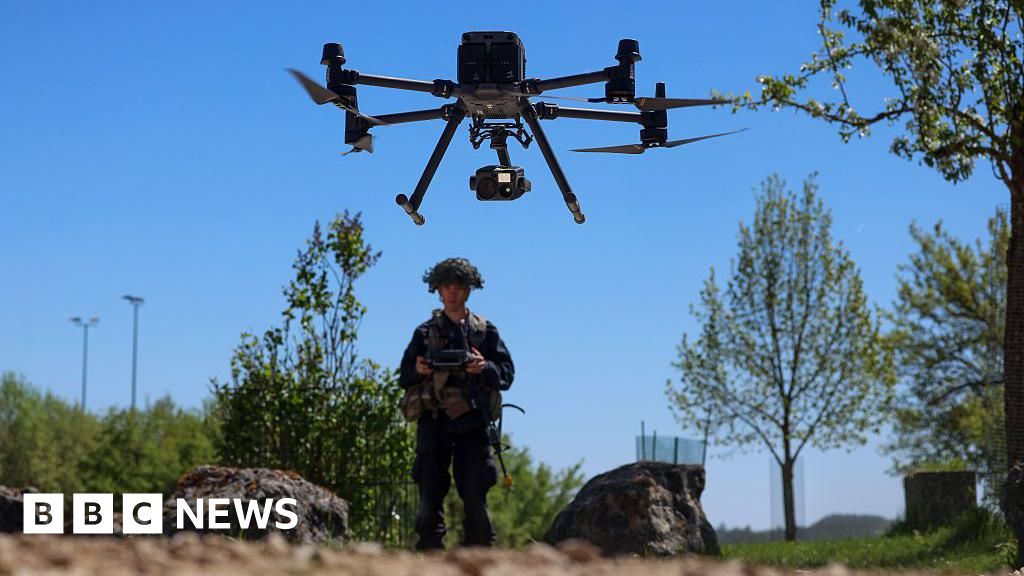
Ihor Fedirko, head of the Ukrainian Council of Defence Industry, told the BBC that Ukraine could scale up interceptor-drone production to up to 10,000 a month.
But any discussion of deliveries to partners abroad, however, would require political approval at the highest level in Ukraine, he said.
And even if Ukraine's top political leadership approved such transfers in the future, Fedirko warned that it would be much harder to provide allies with the training and expertise they need to learn how to use air defences effectively.
"The weapons are just plastic and metal, without teaching and training," he said.
"We can send you these goods. But what will you do with them? How will you apply the weaponry? Who will teach you?
"At the moment, our training centres in Ukraine are totally booked by our armed forces as well as our civilians."